
6-Day Marrakech to Fes Desert Trip
From Marrakech
6 Day
To Fes
About this trip
Six days to cross Morocco from one great imperial city to another — and the journey between them is the entire point.
This tour takes you from the vibrant, sensory chaos of Marrakech through the High Atlas Mountains, deep into the ancient kasbah country of the south, and out into the Sahara Desert, where two nights in a luxury desert camp give you time to truly settle into the rhythm of the dunes. From there, the route winds back north through oasis valleys, fossil workshops, cedar forests, and alpine towns before arriving in Fes — one of the world’s most extraordinary medieval cities and a fitting destination for a journey of this scope.
Along the way, you’ll ride camels at sunset and sunrise, share tea with nomadic families, hear the ancient music of the Gnawa, wander through gorges that dwarf everything around them, and move through a landscape that changes so completely from one day to the next that it’s hard to believe it all belongs to the same country.
Trip Highlights:
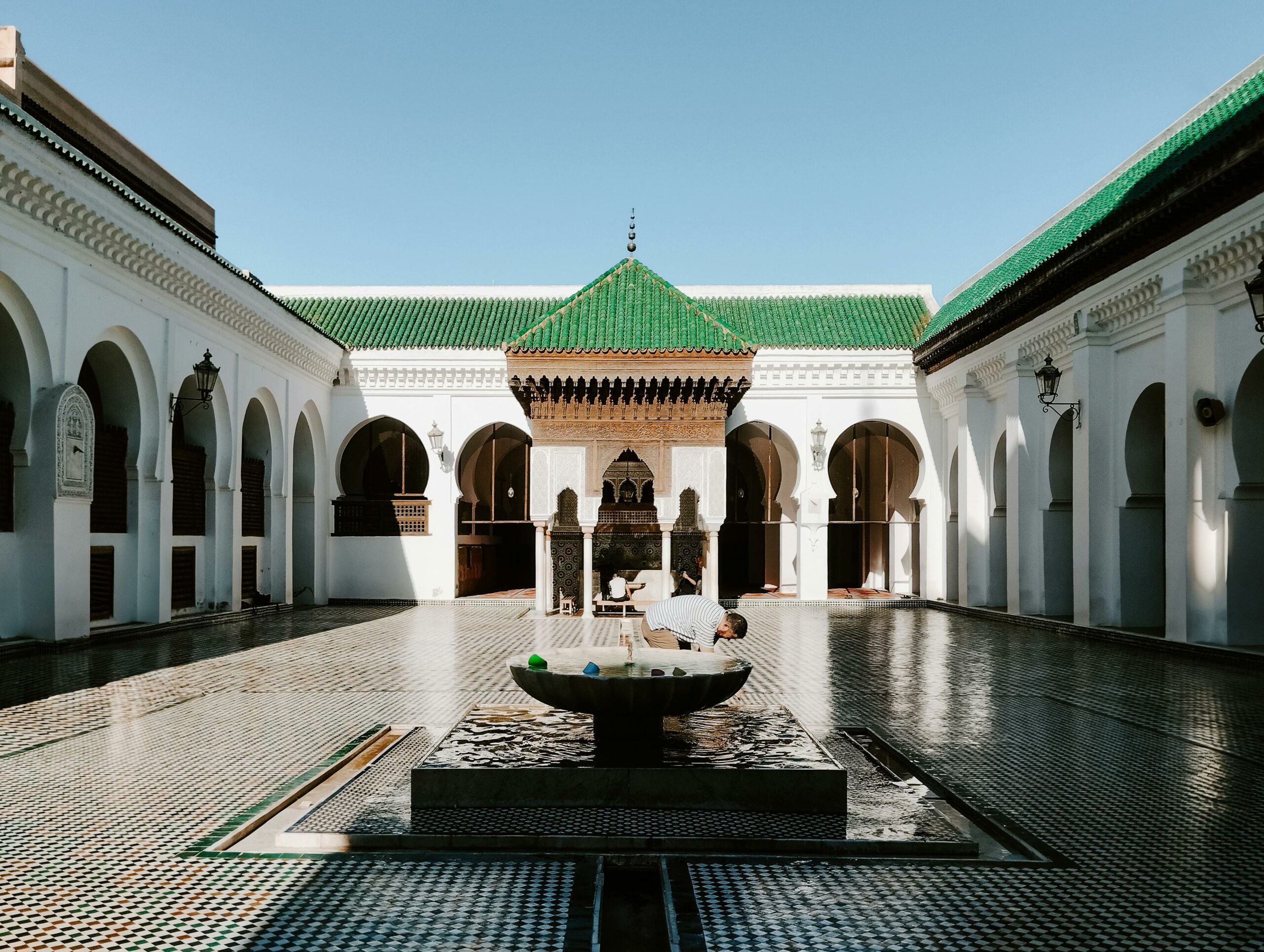
Cross the High Atlas and Middle Atlas Mountains with breathtaking scenery
Explore the UNESCO-listed Aït Ben Haddou and historic Kasbah Telouet
Camel trek across the Erg Chebbi dunes at sunset
Walk through the dramatic Dades Valley and Todra Gorges with a local guide
Experience a camel trek into the Erg Chebbi dunes at sunset and sunrise
Spend nights under the stars in private luxury desert tents
Visit the Gnawa village of Khamlia and historic Rissani
Scenic drives through Midelt, Azrou, Ifrane, and the Ziz Valley
6-Day Marrakech to Fes Desert Trip Itinerary
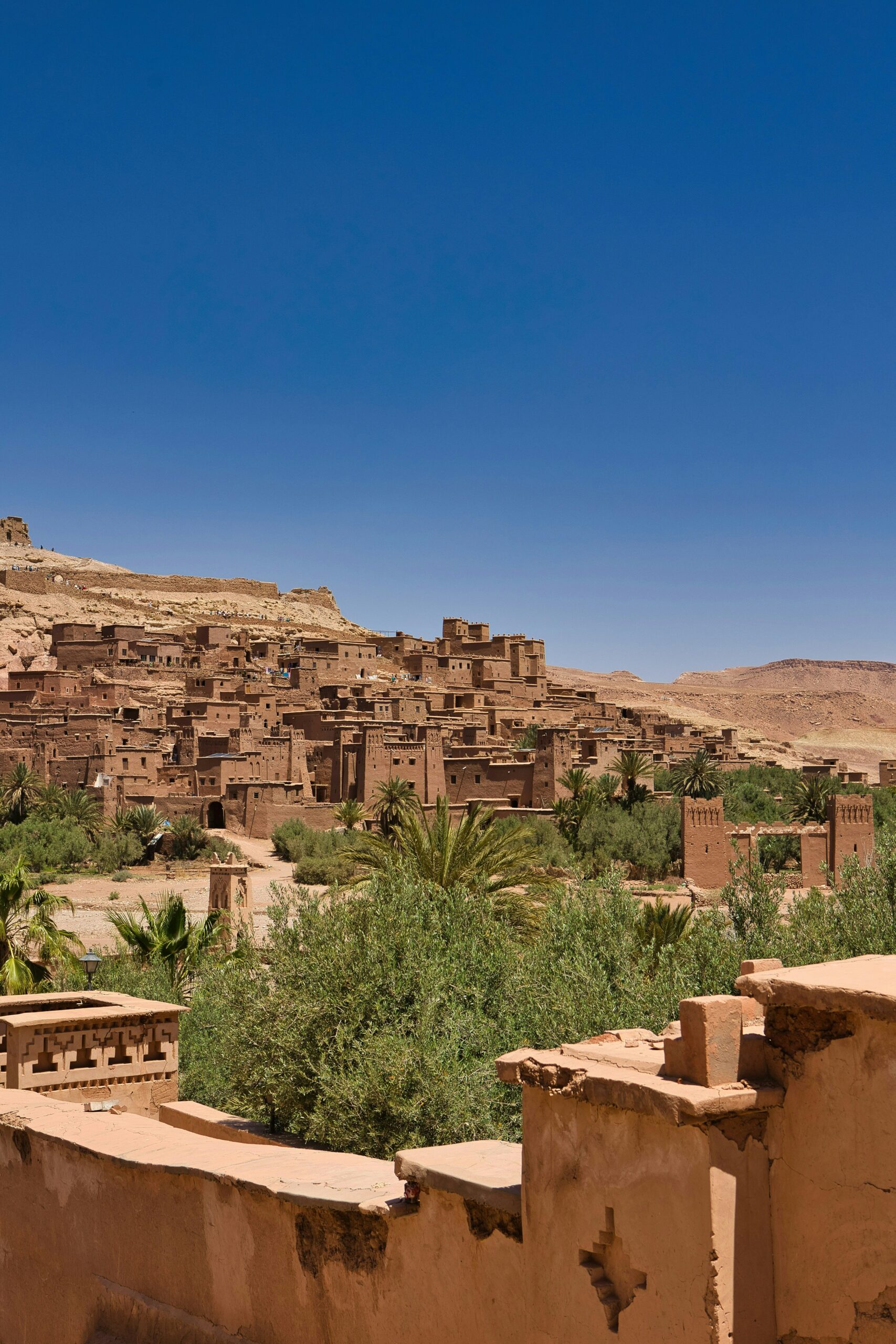
Day 1: Marrakech – Tizi n’Tichka Pass – Aït Ben Haddou – Ouarzazate
Departing Marrakech in the morning, the road quickly climbs into the High Atlas via the Tizi n’Tichka Pass — one of Morocco’s most dramatic and rewarding mountain routes. The views from the higher elevations are genuinely staggering, and there are stops along the way to take in the scenery and visit traditional Berber villages that cling to the slopes as though they’ve always been there.
The first major destination is Ait Ben Haddou, and it earns its UNESCO status entirely. This ancient fortified ksar — built from the red earth of the surrounding landscape — has served as both a historic caravan waypoint and one of the most filmed locations in the world, appearing in everything from Lawrence of Arabia to Game of Thrones. Walking through its earthen alleyways and climbing to the summit for the view is an experience that feels genuinely historic rather than merely scenic.
From Ait Ben Haddou, the road continues to Ouarzazate, where Kasbah Taourirt — once one of the most important kasbahs in the entire region — and the famous Atlas Studios offer a fascinating afternoon of exploration. The day ends at a nearby oasis, where the first overnight stay brings a welcome sense of calm after an already rich day.
Day 2: Ouarzazate – Skoura – Valley of Roses – Dades Valley – Todra Gorge
After breakfast, the route heads east through the Skoura Oasis — a serene, palm-shaded landscape punctuated by ancient kasbahs, the finest of which is the beautifully restored Kasbah Amerhidil, its traditional architecture offering a genuine glimpse into the elegance these fortified residences once held. The Valley of Roses follows, where the craft of distilling rosewater and perfume has been practiced by local families for generations, and where the air in season carries a scent unlike anything else in Morocco.
The Dades Valley arrives in the afternoon — all dramatic rock formations, scattered kasbahs, and the kind of wide, open canyon scenery that makes you want to stop the car and just look. The day ends at Todra Gorge, where towering cliffs rise on either side of a narrow, palm-lined river corridor in a display of natural drama that never fails to impress. It’s a spectacular place to arrive at the end of a day, with time for a walk along the canyon floor and plenty of opportunity for photography as the light fades.
Day 3: Todra Gorge – Tinjdad – Erfoud – Merzouga
The morning begins with a short hike through the gorge itself — the cliffs catching the early light in ways that make the previous evening’s visit feel like a warm-up. From Todra, the road pushes south through Tinjdad and on to Erfoud, where a stop at one of the town’s fossil workshops offers a surprisingly captivating look at the craft of transforming ancient marine fossils — some hundreds of millions of years old — into the polished pieces that have made this region quietly famous. The traditional irrigation channels visible along the route are a reminder of the ingenuity that has sustained desert communities here for centuries.
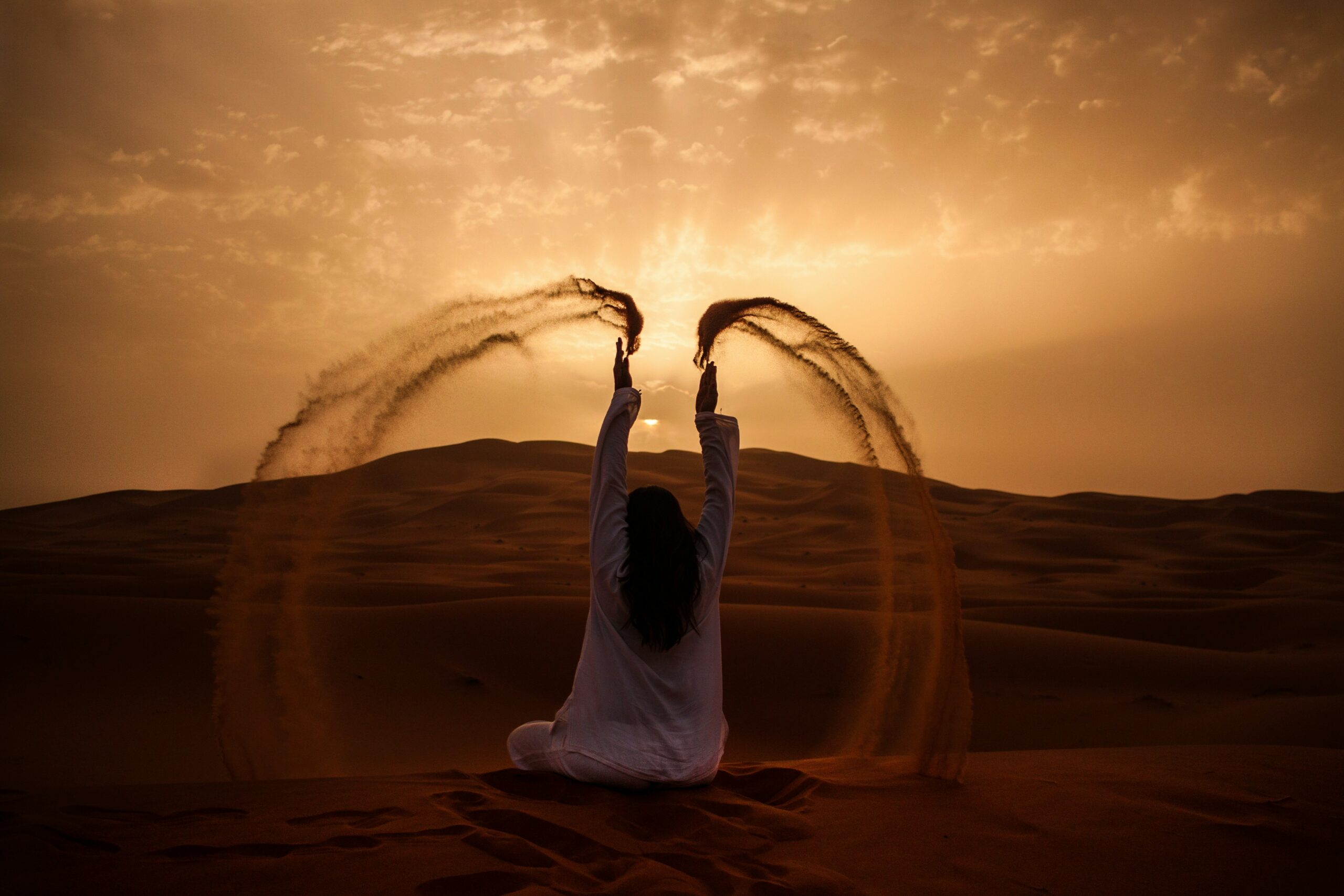
By afternoon, the dunes of Erg Chebbi appear on the horizon, and the camel caravan is waiting at their edge. The trek into the desert at sunset is one of those experiences that photographs can only partially convey — the scale of the dunes, the silence, the slow transformation of the sands through gold and amber as the light fades. Your luxury camp receives you warmly: private tents, a generous Moroccan spread, and an evening of music and firelight that drifts out into the desert long after dinner is done.
Day 4: Merzouga – Desert Exploration and Nomad Villages
The Sahara sunrise is worth every minute of early waking. The dunes shift through deep shadow, then amber, then a brilliant wash of gold as the sun finds its way across the sky — and the silence throughout is absolute. A camel carries you back to camp for breakfast, and then the day opens up into something slower and more exploratory.
A 4×4 excursion takes you into the wider desert landscape around Merzouga, away from the main dune field and into the quieter reaches where nomadic families live and work in ways that have changed little across generations. Sharing tea and conversation in one of these communities is one of those travel experiences that stays with you long after the trip itself fades into memory.
The afternoon leads to Khamlia — a small village on the edge of the desert that carries an outsized cultural significance as home to the Gnawa people, whose ancient musical traditions arrived in Morocco from sub-Saharan Africa centuries ago. The music is rhythmic, hypnotic, and deeply moving, and time spent with the community here feels like a genuine privilege. Back at camp by evening for dinner, music around the fire, and a second night under the desert sky.
Day 5: Merzouga – Rissani – Erfoud – Midelt
Leaving the Sahara, the road heads north into a landscape that gradually sheds the drama of the dunes in favor of a different kind of beauty. Rissani comes first — one of southern Morocco’s most historically significant towns, the ancestral birthplace of the Alaouite dynasty that has ruled Morocco for over three centuries, and home to a traditional souk that still operates much as it always has. It’s a town that rewards a proper wander, and the market in particular has a genuinely lived-in energy that’s hard to find elsewhere.
Another stop in Erfoud — this time for a deeper look at the fossil workshops that have made the town quietly famous — before the road continues through the green corridors of the Errachidia oases, where the contrast between the lush palm groves and the surrounding arid terrain is quietly breathtaking. The day ends in Midelt, a relaxed mountain town framed by striking scenery and famous for its apples — a pleasant and unhurried overnight before the final push to Fes.
Day 6: Midelt – Azrou – Ifrane – Fes
The last day begins in the mountains and ends in one of the world’s great ancient cities — and the journey between the two is worth savoring. The Middle Atlas road passes through cedar forest above Azrou, where Barbary macaques move through the trees with complete ease, stopping to peer at passing vehicles with the relaxed curiosity of animals that have never had reason to be afraid. It’s a genuinely delightful wildlife encounter in the middle of an already beautiful drive.
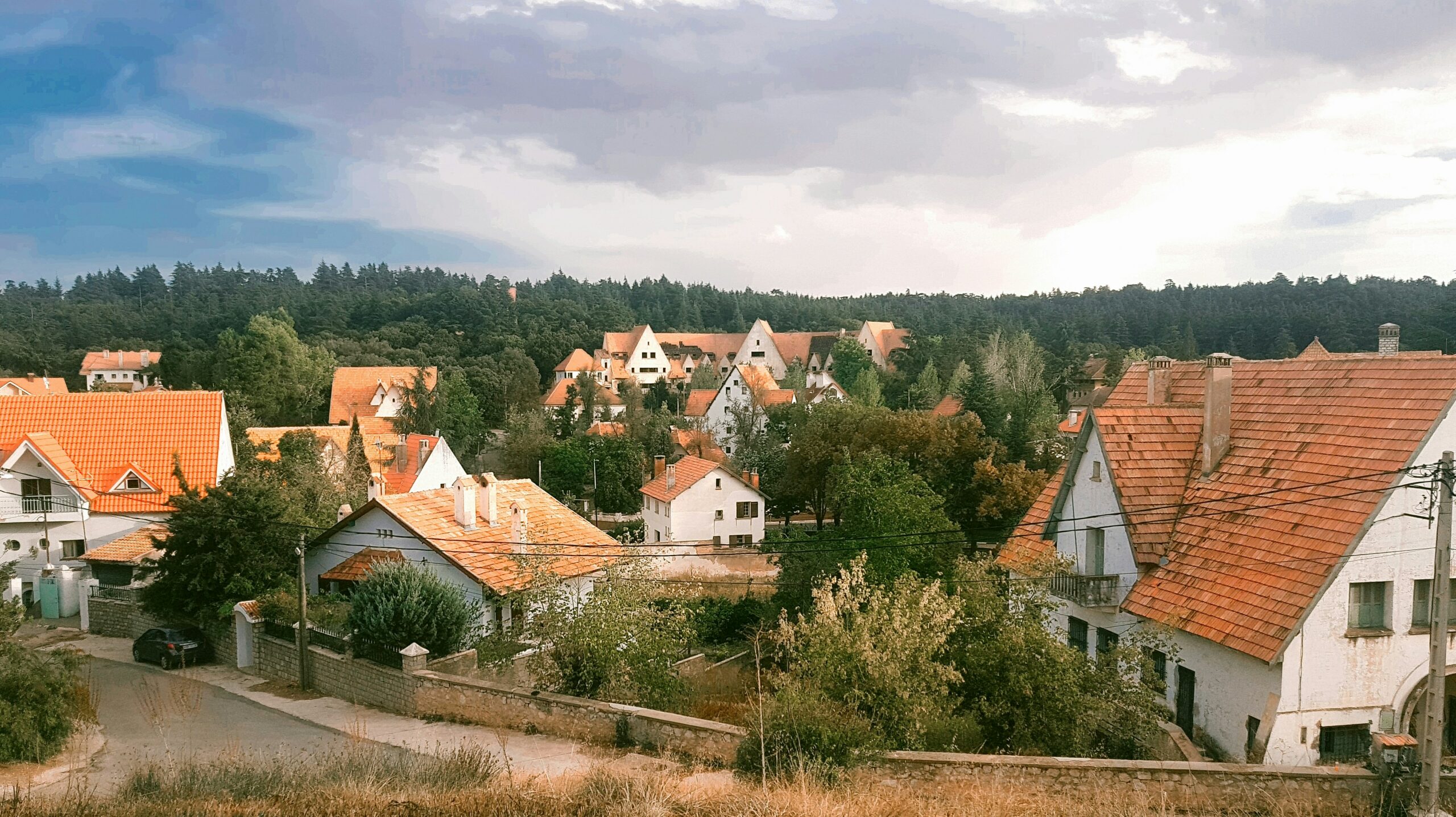
Ifrane arrives next — clean, ordered, and architecturally unlike anything else in Morocco, its steep-roofed European-style buildings and well-kept streets earning it the inevitable nickname of “Moroccan Switzerland.” It’s a charming anomaly of a town, and a lovely final stop before the road leads south and east toward Fes.
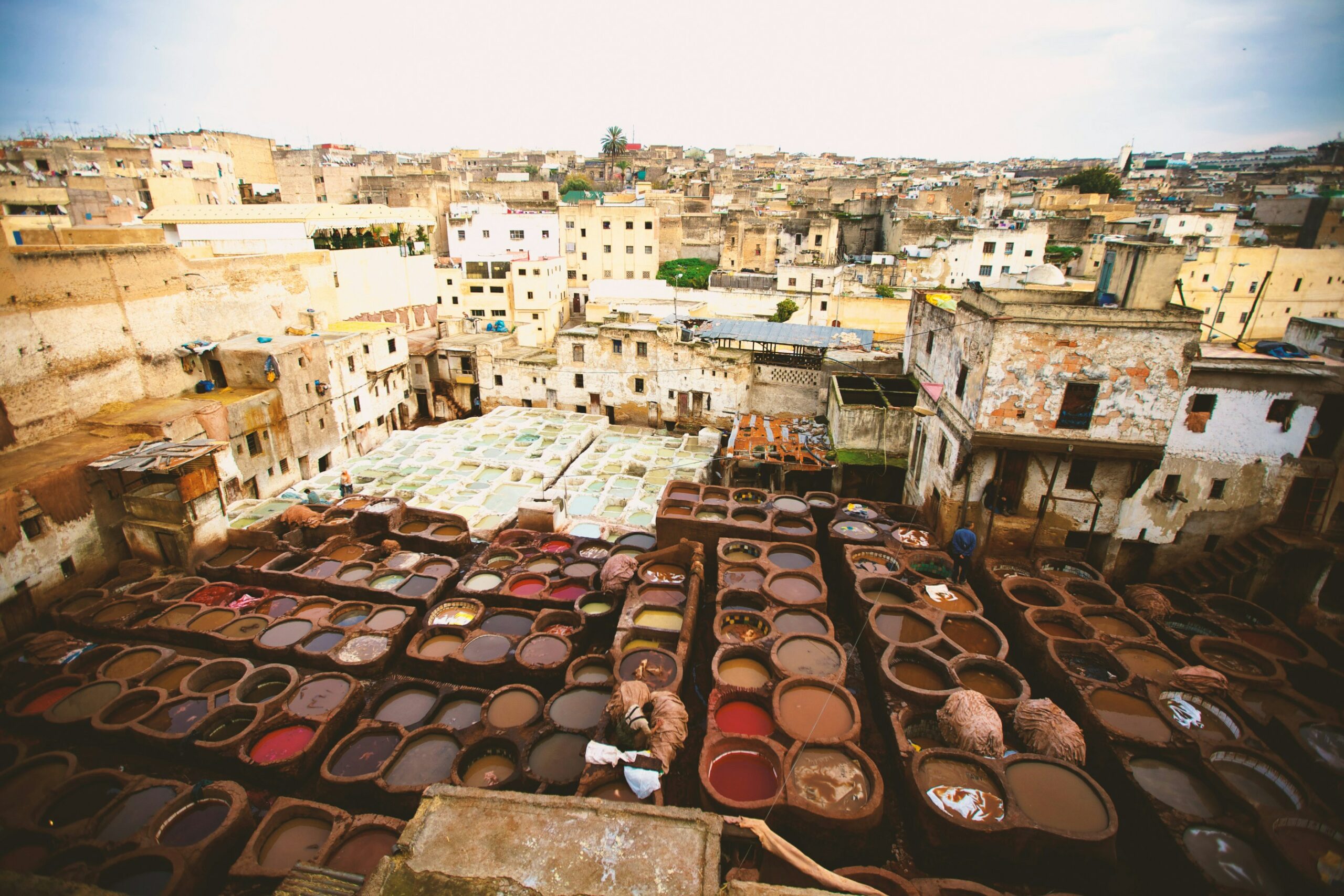
By late afternoon, the ancient city comes into view — its vast medieval medina, its centuries-old tanneries, its souks and minarets and layers of history stacked one on top of another in a way that no other city quite replicates. Six days of mountains, desert, gorges, and open road have brought you here, and Fes — as it always does — feels entirely worth the journey.
Gallery
What’s Included & Excluded
- Private or small-group transportation in a comfortable, air-conditioned vehicle
- Professional, licensed driver and/or local guide (depending on the trip)
- Pick-up and drop-off at your hotel, riad, or agreed meeting point
- Accommodation (hotels, riads, desert camps) as specified in the itinerary
- Breakfasts & dinners (depending on the type of accommodation chosen)
- Activities and experiences listed in the itinerary (quad biking, camel trekking, excursions, etc.)
- All fuel, road tolls, and parking fees
- Local assistance and 24/7 customer support during your trip
- International or domestic flights
- Travel insurance and personal expenses
- Drinks and meals not mentioned in the itinerary
- Entrance fees to monuments and attractions (unless otherwise stated)
- Tips and gratuities for guides, drivers, and staff (optional but appreciated)
- Optional activities not listed in the trip program