
Marrakech to Sahara: Everything They Don’t Tell You Before the Trip
A Marrakech to Sahara desert trip is often described as the highlight of a journey through Morocco. Images of golden dunes, camel caravans, spectacular sunsets, and nights beneath star-filled skies inspire thousands of travelers to make the journey every year.
What many visitors don’t realize, however, is that the desert experience begins long before reaching the dunes.
The road from Marrakech to the Sahara is an adventure in itself. It crosses mountain passes, ancient kasbahs, remote valleys, and vast desert landscapes that gradually reveal a completely different side of Morocco. Yet many travelers arrive with unrealistic expectations about driving times, camp conditions, weather, and what life in the desert is actually like.
A successful Marrakech to Sahara desert trip depends as much on preparation as it does on choosing the right itinerary.
Before booking your desert tour, here is everything most travel guides fail to tell you.
How Far Is the Sahara Desert from Marrakech Really?
One of the biggest misconceptions about a Marrakech to Sahara desert trip is distance.
Many first-time visitors assume the desert is only a few hours away. In reality, reaching the famous dunes of Erg Chebbi near Merzouga requires crossing a significant portion of Morocco.
The journey typically covers around 560 kilometers and involves driving through multiple regions with dramatically different landscapes.
Real Driving Times
Without major stops, the drive from Marrakech to Merzouga takes approximately:
- 9 to 10 hours by car
- 10 to 12 hours by tourist vehicle
- Longer during busy travel seasons
However, almost nobody completes the journey in one continuous drive.
Most desert tours divide the route into two days, allowing travelers to enjoy several important stops along the way.
Common stops include:
- Tizi n’Tichka Pass
- Ait Ben Haddou
- Ouarzazate
- Dades Valley
- Todra Gorges
This is why a 3-day Marrakech to Sahara desert trip remains the most popular option. It provides enough time to enjoy both the journey and the destination without spending entire days inside a vehicle.
The Journey Is Part of the Experience
Many travelers focus entirely on the Sahara itself and underestimate the beauty of the route.
In reality, some of Morocco’s most impressive landscapes appear before you ever see a sand dune.
Crossing the High Atlas Mountains
Leaving Marrakech, the road quickly climbs into the High Atlas Mountains. Winding roads reveal dramatic views, traditional Amazigh villages, and mountain scenery that surprises many visitors.
Ancient Caravan Routes
For centuries, traders crossed these regions transporting gold, spices, salt, and other valuable goods between North Africa and sub-Saharan Africa.
Today’s desert travelers follow many of the same historic routes.
Changing Landscapes
One of the most fascinating aspects of the trip is how quickly the scenery changes.
Within a single journey, travelers often encounter:
- Snow-capped mountains (during winter)
- Rocky plateaus
- Green valleys
- Palm groves
- Ancient kasbahs
- Vast desert plains
- Sand dunes
Few destinations offer such dramatic geographical diversity in such a short period.
What Desert Camps Are Actually Like
Perhaps no aspect of a Marrakech to Sahara desert trip creates more unrealistic expectations than desert camps.
Social media often presents camps as luxury resorts placed magically among endless dunes.
Reality is usually more nuanced.
Standard Desert Camps
Traditional camps generally include:
- Private or shared tents
- Comfortable beds
- Blankets
- Shared or private bathrooms
- Traditional Moroccan dinner
- Breakfast
They are comfortable but remain relatively simple.
Luxury Desert Camps
Luxury camps offer additional amenities such as:
- Larger private tents
- Hotel-style beds
- Private bathrooms
- Hot showers
- Enhanced dining experiences
- Better furnishings
However, travelers should remember one important fact:
Even luxury camps are still located in the middle of the Sahara.
Power, internet, and modern conveniences may be limited compared to city hotels.
The goal is not five-star urban luxury. The goal is experiencing the desert while maintaining a higher level of comfort.
The Desert Is Not Always Hot
Many visitors imagine the Sahara as permanently hot.
This assumption leads to one of the most common packing mistakes.
Winter Conditions
Between November and February:
- Daytime temperatures remain pleasant
- Nights can approach freezing
- Early mornings can feel surprisingly cold
Many travelers are shocked by how cold the desert becomes after sunset.
Spring and Autumn
These seasons generally offer the most comfortable conditions.
Temperatures remain moderate, making outdoor activities more enjoyable throughout the day.
Summer Heat
From June through August:
- Temperatures frequently exceed 40°C
- Afternoon activities become more challenging
- Hydration becomes extremely important
Summer tours remain possible but require proper preparation.
The Camel Ride Is Shorter Than Most People Expect
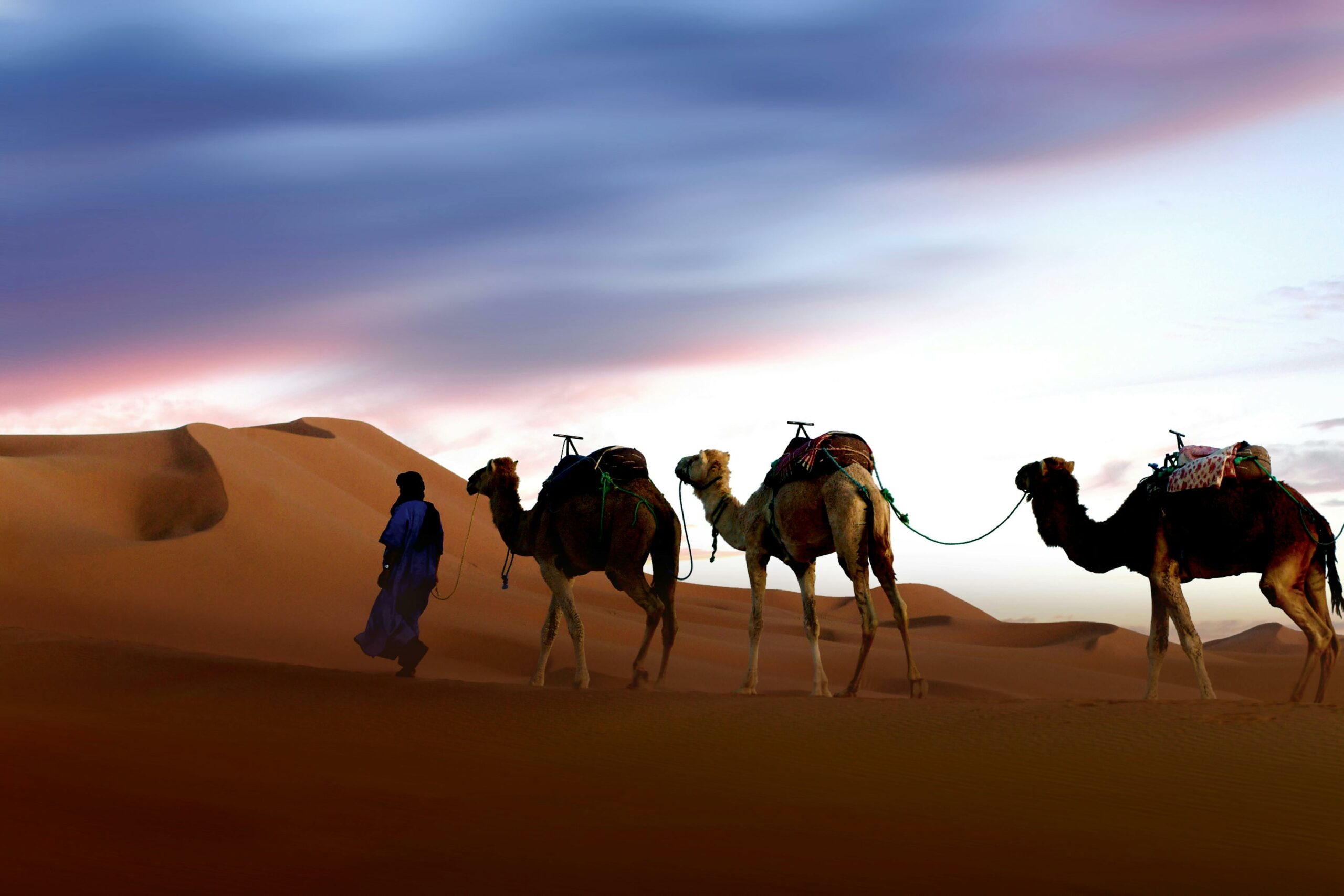
Camel trekking has become one of the defining images of a Marrakech to Sahara desert trip.
However, many travelers imagine spending entire days riding through endless dunes.
In reality, most camel treks last:
- 45 minutes to 1 hour before sunset
- Similar duration the following morning
This length is intentional.
Camel riding can become physically uncomfortable after extended periods, especially for first-time riders.
The experience focuses on enjoying the landscape, watching the changing colors of the dunes, and reaching camp rather than covering long distances.
For many travelers, this shorter format creates a more enjoyable experience.
Tourist Mistakes That Can Ruin the Experience
Choosing the Cheapest Tour
Budget tours often appear attractive at first.
However, extremely low prices can sometimes mean:
- Long hours of driving
- Poor accommodation
- Limited stops
- Larger groups
Value matters more than simply choosing the lowest price.
Underestimating Travel Time
Some visitors book very short itineraries expecting to see everything.
The Sahara is far from Marrakech, and rushing the experience often leads to exhaustion.
Packing the Wrong Clothes
Many travelers bring clothing suitable for Marrakech but not for the desert.
Layered clothing is essential due to temperature variations.
Expecting Complete Isolation
Merzouga has become one of Morocco’s most popular destinations.
While parts of the desert feel incredibly remote, visitors should not expect to be completely alone.
Ignoring the Journey
Some travelers focus only on reaching the dunes.
The landscapes between Marrakech and the Sahara are among Morocco’s greatest attractions and deserve equal attention.
Is a 2-Day or 3-Day Sahara Tour Better?
This is one of the most common questions travelers ask.
2-Day Tours
Suitable for:
- Travelers with limited time
- Fast-paced itineraries
- Short visits to Morocco
Challenges:
- Long driving days
- Less time in the desert
3-Day Tours
Suitable for:
- First-time visitors
- Photography enthusiasts
- Travelers seeking a balanced experience
Advantages:
- More comfortable pacing
- Additional sightseeing stops
- More time to enjoy the Sahara
For most travelers, a 3-day Marrakech to Sahara desert trip offers the best overall experience.
What Makes the Sahara So Memorable?
Surprisingly, it is not always the dunes themselves.
Many travelers remember:
- The silence after sunset
- The absence of city lights
- Conversations around the campfire
- Watching the stars appear one by one
- The slow pace of life
The Sahara offers something increasingly rare in modern travel: simplicity.
There are no crowded attractions demanding attention and no constant distractions.
For a brief moment, the focus shifts entirely to landscape, nature, and experience.
That is what many visitors remember long after returning home.
FAQ
How long does a Marrakech to Sahara desert trip take?
Most tours last between 2 and 4 days. The most popular option is a 3-day itinerary that includes overnight stops before reaching the desert.
How far is the Sahara Desert from Marrakech?
The dunes of Merzouga are approximately 560 kilometers from Marrakech and require around 9 to 10 hours of driving without major stops.
Is a 2-day desert tour worth it?
Yes, but it involves long driving hours. A 3-day tour generally provides a more relaxed and enjoyable experience.
Are luxury desert camps really luxurious?
Luxury camps offer significantly more comfort than standard camps but still operate within a remote desert environment.
Is the Sahara cold at night?
Yes. Desert temperatures can drop dramatically after sunset, especially during winter.
What should I pack for a Sahara desert trip?
Comfortable clothing, warm layers, sunglasses, sunscreen, closed shoes, a scarf, and a portable charger are among the most useful items.
Can children join Sahara tours?
Yes. Many desert tours welcome families and can adapt activities for younger travelers.
What is the best season for visiting the Sahara?
Spring and autumn generally provide the most comfortable weather conditions for desert travel.
A Marrakech to Sahara desert trip is far more than a transfer between two destinations. It is a journey across some of Morocco’s most diverse landscapes, from mountain passes and ancient kasbahs to the endless dunes of the Sahara itself.
Understanding the realities of driving times, camp conditions, weather, and common travel mistakes allows visitors to approach the experience with realistic expectations.
Those expectations often make the difference between a good trip and an unforgettable one.
The travelers who enjoy the Sahara most are usually not those chasing the perfect photograph. They are the ones who embrace the journey, adapt to the desert’s rhythm, and appreciate every stage of the adventure—from Marrakech all the way to the dunes of Erg Chebbi.