
12-Day Morocco Trip From Tangier
From Tanger
12 Day
To Marrakech
About this trip
Twelve days to experience Morocco in its entirety — and to do it at a pace that lets the country actually sink in.
This journey begins where Africa almost touches Europe, in the port city of Tangier, and ends in Marrakech — but not before taking you through just about everything extraordinary that lies between. The blue mountain lanes of Chefchaouen. Ancient Roman ruins on a Moroccan hilltop. The imperial cities of Meknes and Fes. Cedar forests and wild monkeys. The vast silence of the Saharan dunes. Dramatic canyon country, rose valleys, ancient kasbahs, and the High Atlas Mountains. And then, as a final flourish before departure, a day on the Atlantic coast in the windswept, bohemian city of Essaouira.
Twelve days is the right amount of time to travel Morocco without rushing — to linger in the places that earn it, to let the landscapes change around you slowly enough that each new one feels like a genuine arrival, and to come home with a sense of the country that is genuinely complete.
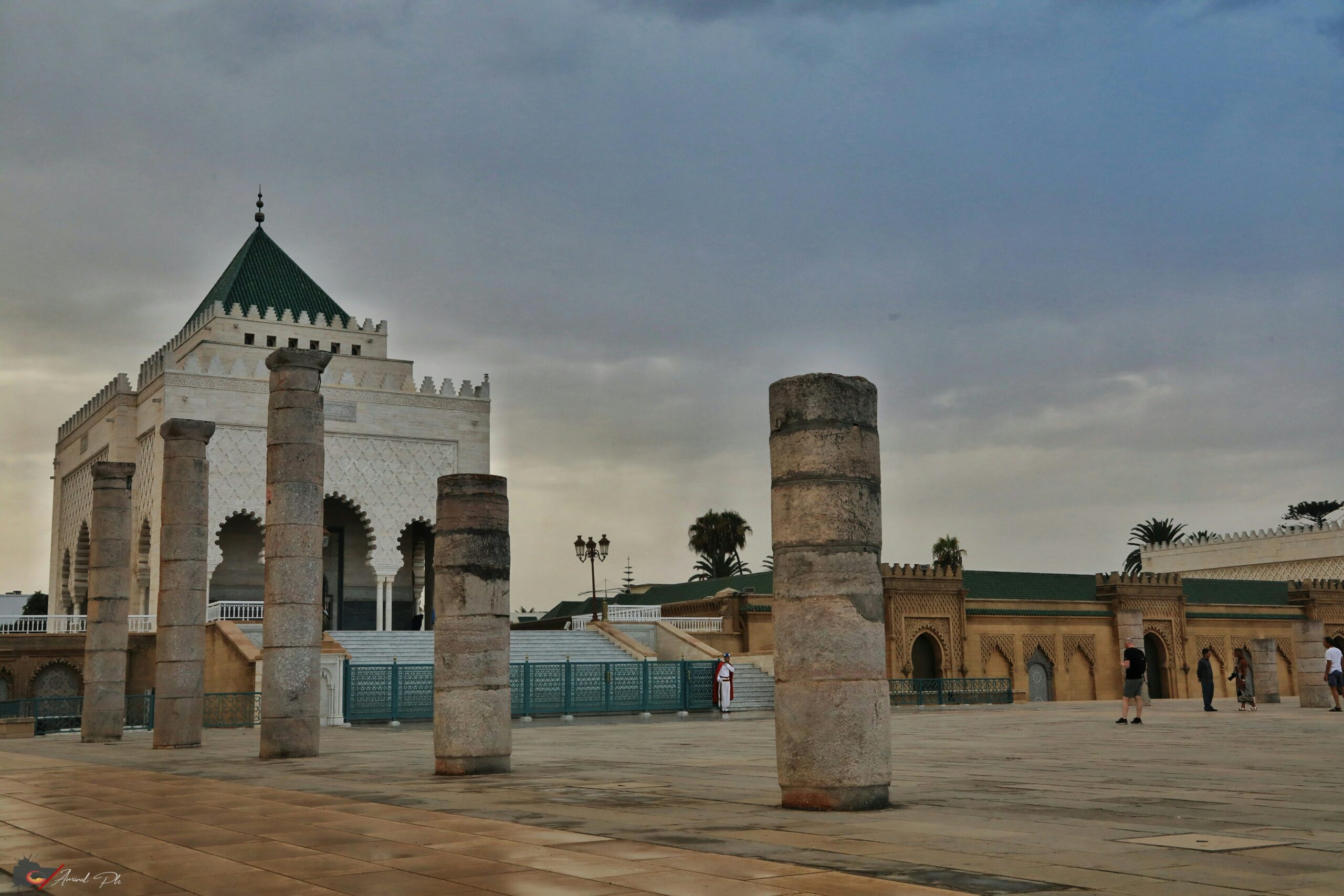
Trip Highlights:
Explore Tangier’s coastal beauty and natural landmarks
Visit UNESCO-listed kasbahs, including Aït Ben Haddou
Enjoy camel trekking and overnight camping in the Sahara
Walk through cedar forests and spot wild Barbary monkeys
Cross the Middle and High Atlas Mountains with panoramic stops
Explore Fes’ medina, tanneries, and vibrant souks
Traverse the High Atlas Mountains with panoramic viewpoints
12-Day Tanger Trip Itinerary
Day 1: Arrival in Tangier
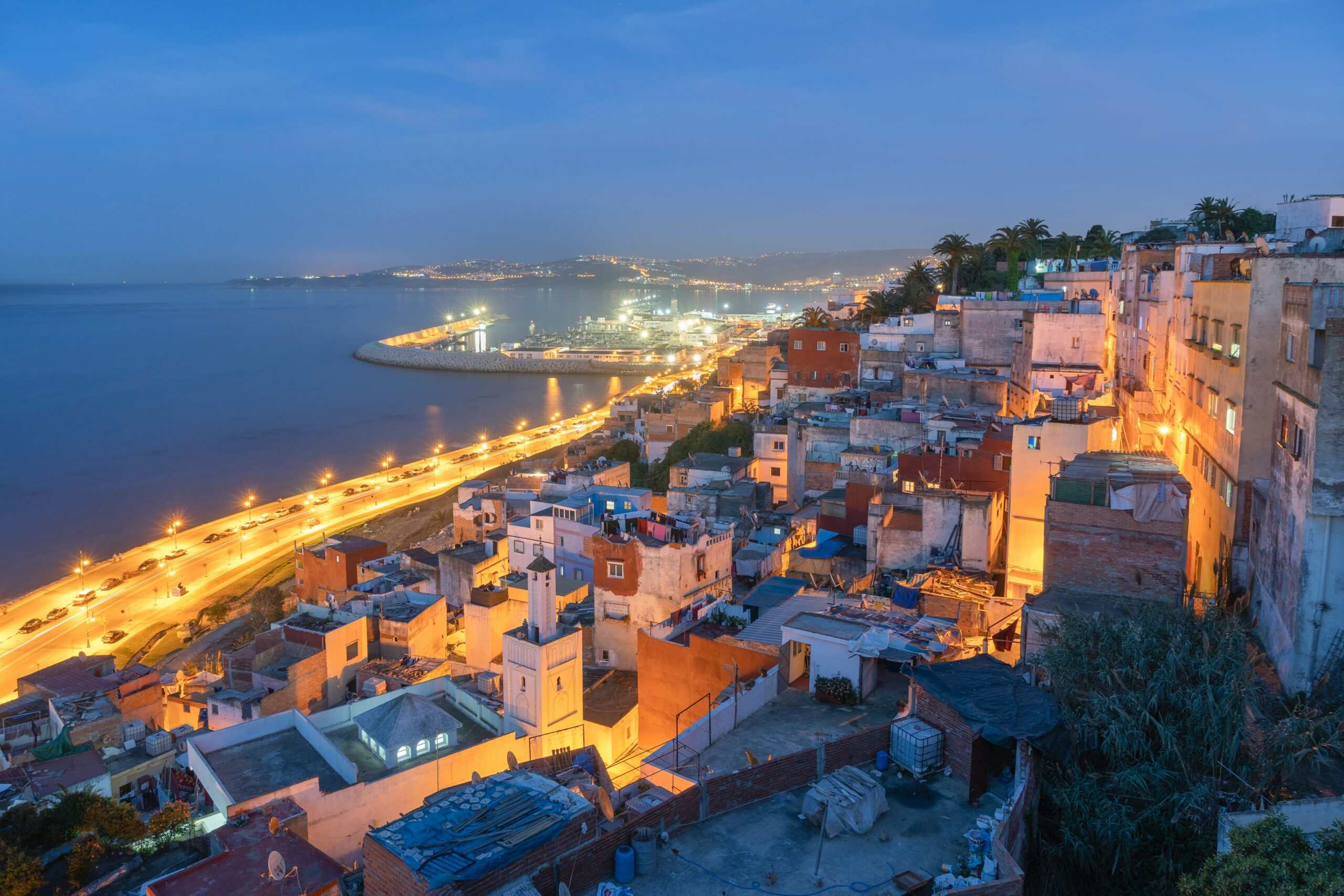
Tangier is a city that has always occupied a singular position — geographically, culturally, and historically — and arriving here sets an immediately adventurous tone. After transferring to your hotel, the afternoon unfolds along the coast on a panoramic drive that makes the most of the city’s extraordinary setting. Clifftop viewpoints where the Atlantic and Mediterranean visibly converge, sea caves carved into ancient rock, and historic sites that speak to millennia of human ambition and maritime trade. A traditional Moroccan dinner brings the first evening to a warm close.
Day 2: Tangier – Chefchaouen
After breakfast, the road climbs into the Rif Mountains — a landscape of forested ridges, terraced hillsides, and occasional glimpses of the coast far below — with scenic stops along the way and a lunch break somewhere in the middle of all that beauty. Chefchaouen arrives in the afternoon, and however many photographs you’ve seen, the reality of its blue-washed medina is something that photographs don’t quite capture. The alleyways are impossibly photogenic, the atmosphere is genuinely unhurried, and the mountain air has a clarity that feels like a physical gift after the coast. Time to wander the artisan shops, find a seat in the main square, and let the town reveal itself at its own pace. Dinner and overnight in one of Morocco’s most quietly enchanting places.
Day 3: Chefchaouen – Volubilis – Meknes – Fez
A final morning to absorb Chefchaouen’s particular atmosphere — the blue lanes catching the early light, the town quiet before the day’s visitors arrive — before the road heads south. Volubilis is the first major stop, and it consistently surprises people who aren’t quite prepared for the scale and quality of what remains. Rome’s most distant North African outpost left behind mosaics of extraordinary detail still visible two thousand years later, a triumphal arch that frames the open Moroccan countryside, and the foundations of temples, noble houses, and public buildings spread across a hilltop in a way that makes the ambition of the original project immediately legible. It’s one of those sites that earns a long, slow visit.
Meknes follows — imperial in its bones, with the monumental Bab Mansour gate and the vast royal granaries and stables speaking to a sultan who built on a scale that bordered on the obsessive. By late afternoon, Fes receives you: Morocco’s spiritual heart, its oldest imperial city, and the place where the following day will be spent in full.
Day 4: Exploring Fez
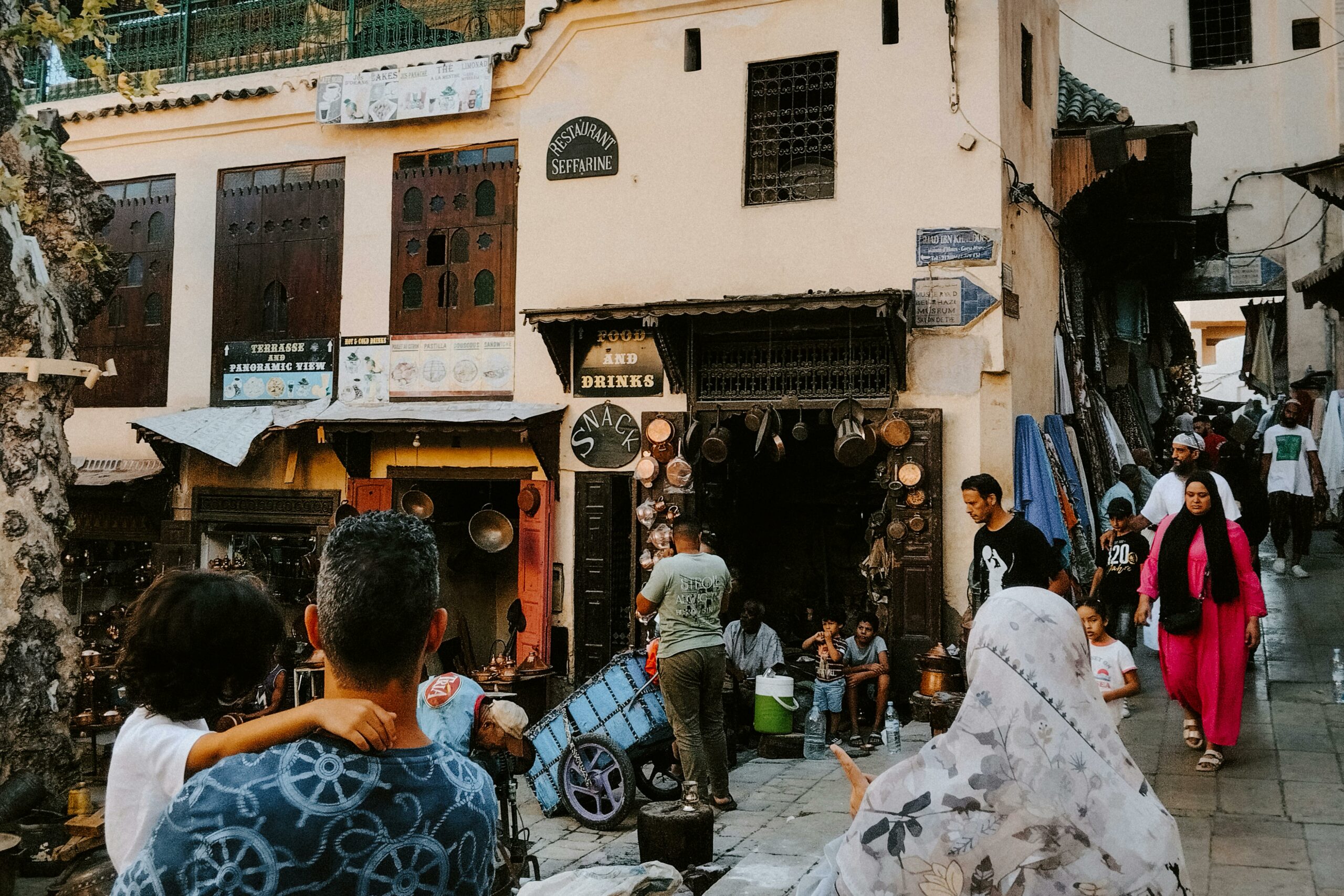
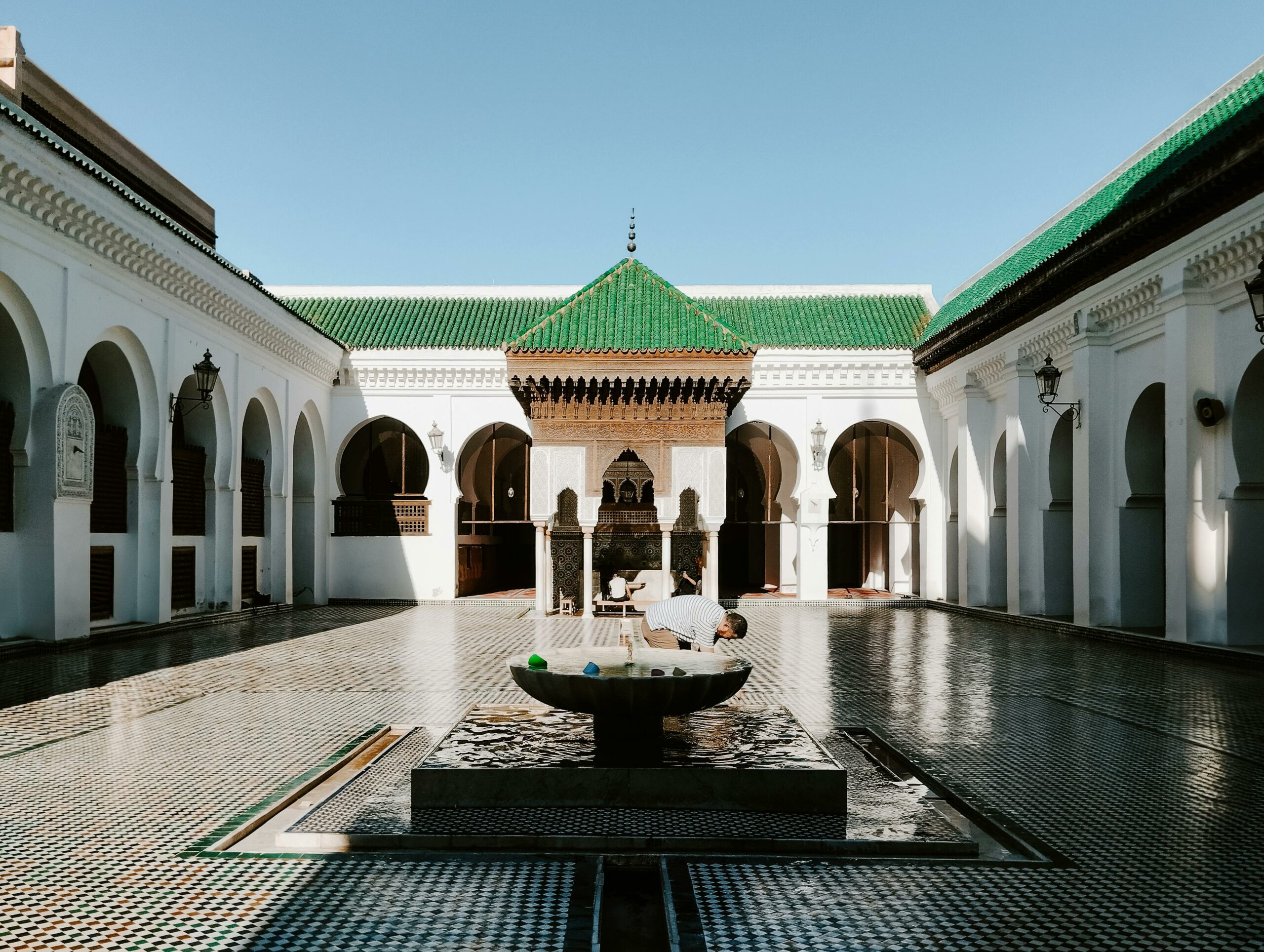
A full day in Fes, and every hour of it earns its place. The UNESCO-listed medina of Fes el-Bali is the largest and best-preserved medieval city in the world, and its sheer density of history, architecture, living craft tradition, and human activity is unlike anything else in Morocco — or anywhere else. The day moves through thousands of interconnected alleyways, past elaborately decorated madrasas whose carved plaster and painted cedar ceilings represent centuries of accumulated skill, through the famous open-air tanneries where leather has been worked in stone vats for generations and the view from the surrounding balconies is one of the most iconic images in all of travel photography, and into the workshops where weavers, potters, coppersmiths, and leatherworkers carry on trades their ancestors practiced in these same streets hundreds of years ago.
The Jewish quarter, the medieval fountains, the ancient city gates, the artisan cooperatives — all of it layers into an experience that is genuinely overwhelming in the best possible sense. Lunch in the medina, dinner somewhere with a view over the city, and the particular satisfaction of a place that offered far more than any single day could fully absorb.
Day 5: Fez – Ifrane – Midelt – Merzouga
An early departure from Fes and the road heads southeast into the Middle Atlas. Ifrane arrives first — its immaculate streets and steep European-style rooftops making it feel like a Moroccan town that somehow ended up on the wrong continent, and all the more charming for it. The cedar forests beyond Azrou are the day’s unexpected highlight: Barbary macaques move through the trees with complete ease, peering down at passing vehicles with the unhurried curiosity of animals that have never had reason to feel threatened. It’s a genuinely delightful encounter in the middle of an already beautiful drive.
The Middle Atlas gives way to the high plateau country around Midelt — a good place for lunch and a stretch — before the landscape flattens and dries toward the pre-Saharan plains. The Ziz Valley provides a last beautiful stretch of palm-lined oasis road before the open desert takes over completely, and Merzouga arrives at sunset with the dunes of Erg Chebbi already glowing on the horizon.
Day 6: Merzouga – Erg Chebbi – Desert Camp
The morning belongs to the desert in its quieter, more intimate form. Nomadic families living in the wider landscape around Merzouga welcome visitors into their world — sharing tea, sharing stories, and offering a genuinely unhurried window into a way of life shaped entirely by the rhythms of the desert. It’s the kind of cultural encounter that travel promises more often than it delivers, and here it delivers completely.
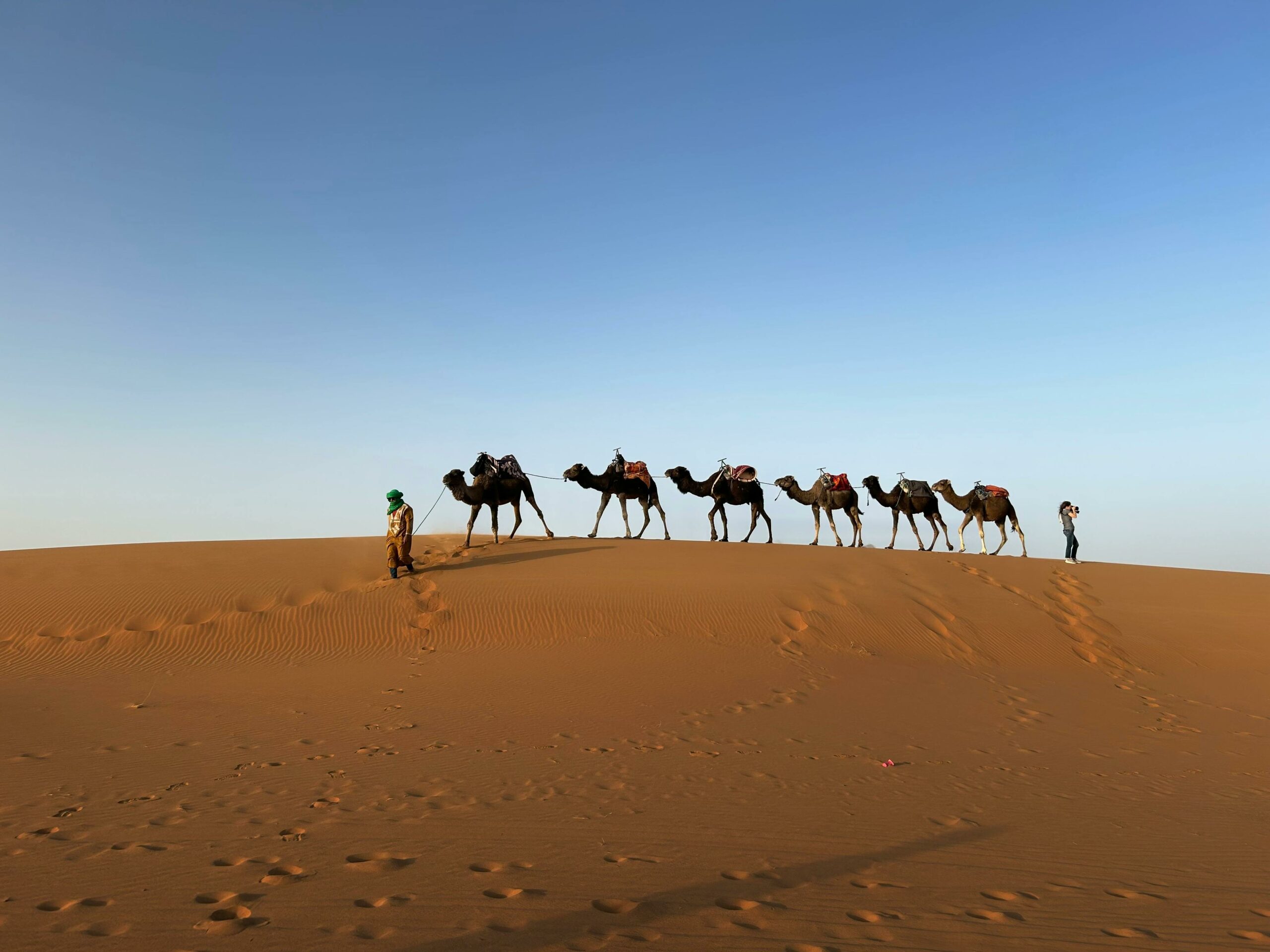
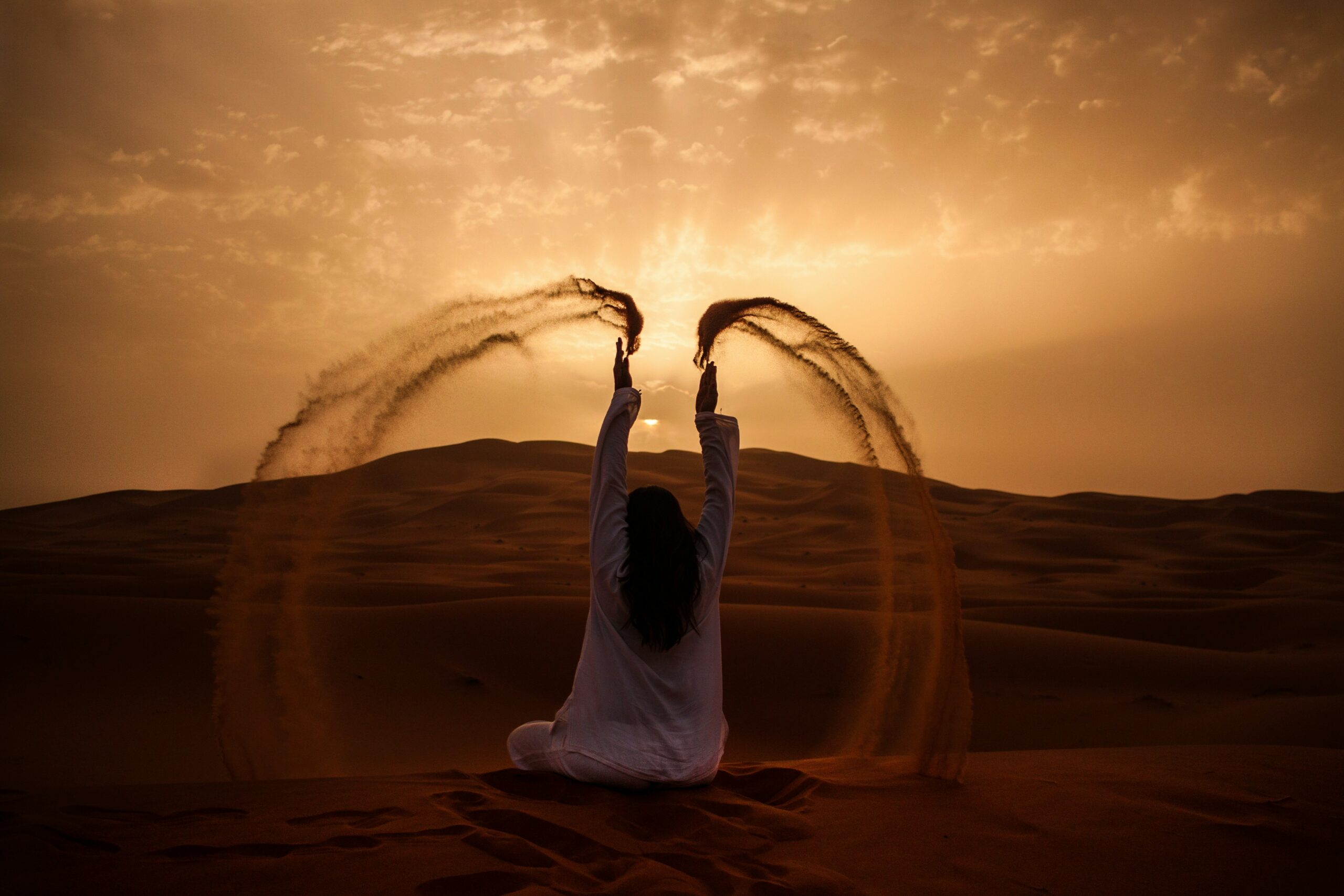
By afternoon, the camels are ready and the dunes are waiting. The trek out across Erg Chebbi as the sun descends is one of those experiences that exists in a category of its own — the scale of the sands, the extraordinary light transforming every surface as the day ends, the silence that sits over everything like a physical presence. Camp receives you as darkness settles: a generous traditional dinner, the rhythmic warmth of Berber music around the fire, and above it all a sky so dense with stars that it seems almost too spectacular to be real.
Day 7: Merzouga – Todra Gorges – Dades Valley
Nobody needs persuading to wake early for a Sahara sunrise, and the dunes at first light justify every alarm willingly set. The colors shift slowly through shadow and amber and gold as the sun finds its way across the sky — quietly, magnificently, and in near-total silence. A camel carries you back to the edge of the desert, breakfast follows, and then the road heads west.
Todra Gorge is the day’s centerpiece, and it hits immediately. Nearly 300 meters of sheer canyon wall rising on either side of a narrow corridor, through which a clear river winds past clusters of palms and bright patches of green — the scale is genuinely humbling, and the atmosphere at the base of those cliffs has a cool, cathedral-like quality that invites you to slow down and simply be present in it. The Dades Valley follows, its extraordinary layered rock formations and distinctive cliffs making it one of the most photographed landscapes in the south for very good reason. Dinner and overnight in the valley, with those formations glowing in the last of the evening light.
Day 8: Dades Valley – Valley of Roses – Skoura – Ouarzazate
The morning begins with more time in the Dades Valley — because there’s always more to discover in a landscape this rich — before the road heads west through the Valley of Roses. In season, the air here carries the scent of the blooms that have made this region famous, and the combination of fragrant fields, traditional villages, and scattered kasbahs gives the valley a softness and color that stands in beautiful contrast to the canyon drama of the day before.
Skoura’s oasis is one of those places that moves at its own unhurried pace, its dense palm groves and ancient earthen kasbahs — chief among them the beautifully restored Kasbah Amridil — speaking to a way of life that has adapted to this landscape over many centuries. Ouarzazate closes out the day: Morocco’s so-called cinema city, where the quality of light and the drama of the surrounding landscapes have attracted film productions from around the world, and where the historic kasbahs carry the weight of both ancient trade routes and modern cultural significance.
Day 9: Ouarzazate – Aït Ben Haddou – Marrakech
The morning’s first stop is Ait Ben Haddou, and it is — as it always is — magnificent. This UNESCO-listed fortified ksar, built from the red earth of the landscape it occupies and once a critical waypoint on the ancient trans-Saharan trade routes, is one of the most visually powerful and historically resonant places in all of Morocco. Its earthen towers and labyrinthine alleyways have appeared in more films than almost anywhere else on earth, and yet standing inside it still feels like a genuine encounter with something ancient and irreplaceable.
From Ait Ben Haddou, the road climbs into the High Atlas via the Tizi n’Tichka Pass — panoramic views opening up at every switchback, the mountains making one final, emphatic statement before the descent begins. Marrakech arrives in the late afternoon, the city’s energy immediately and unmistakably present.
Day 10: Exploring Marrakech
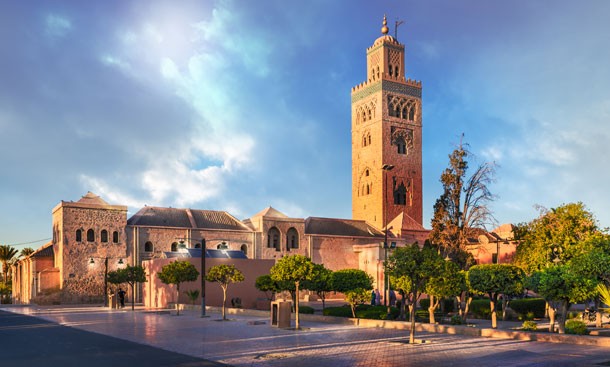
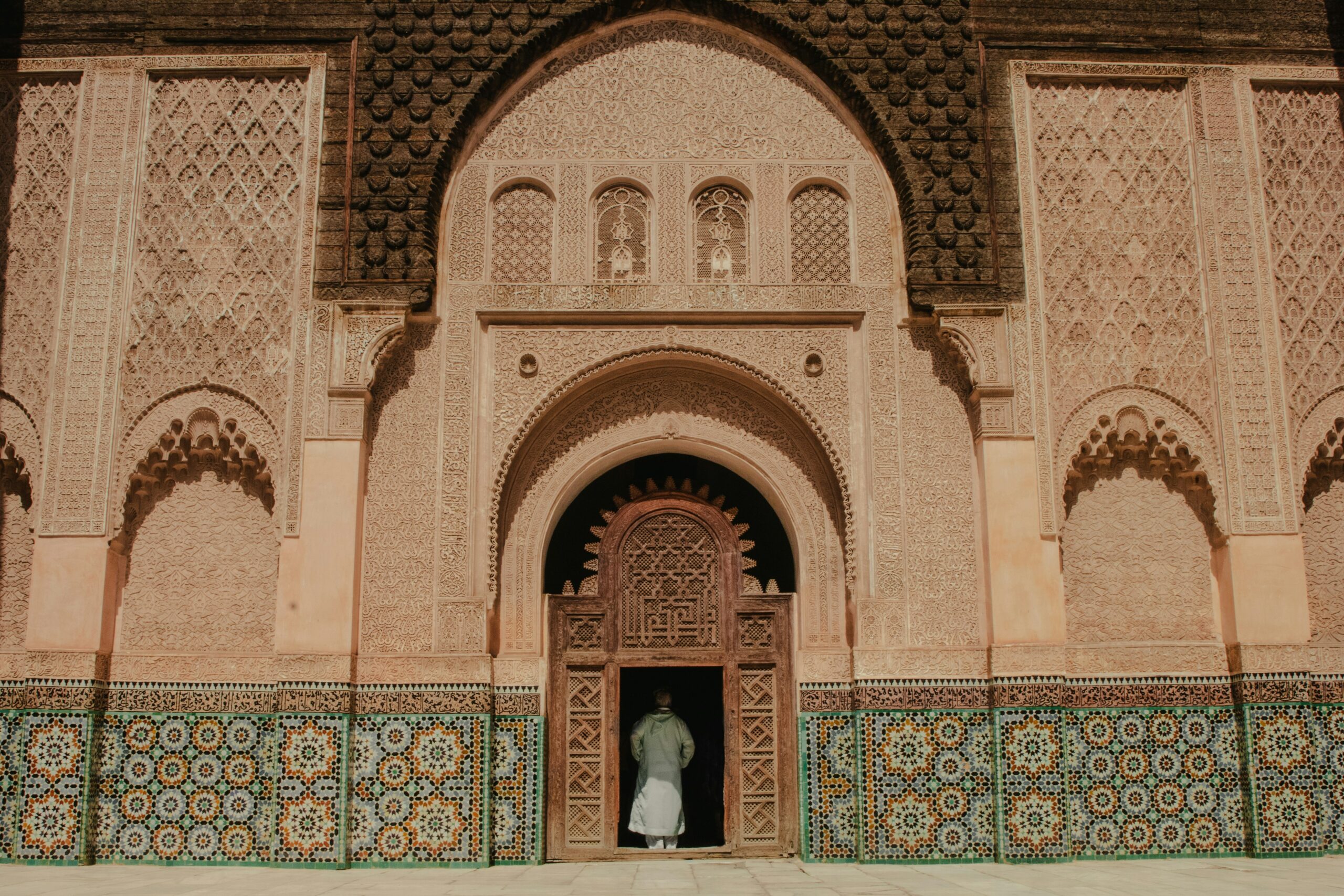
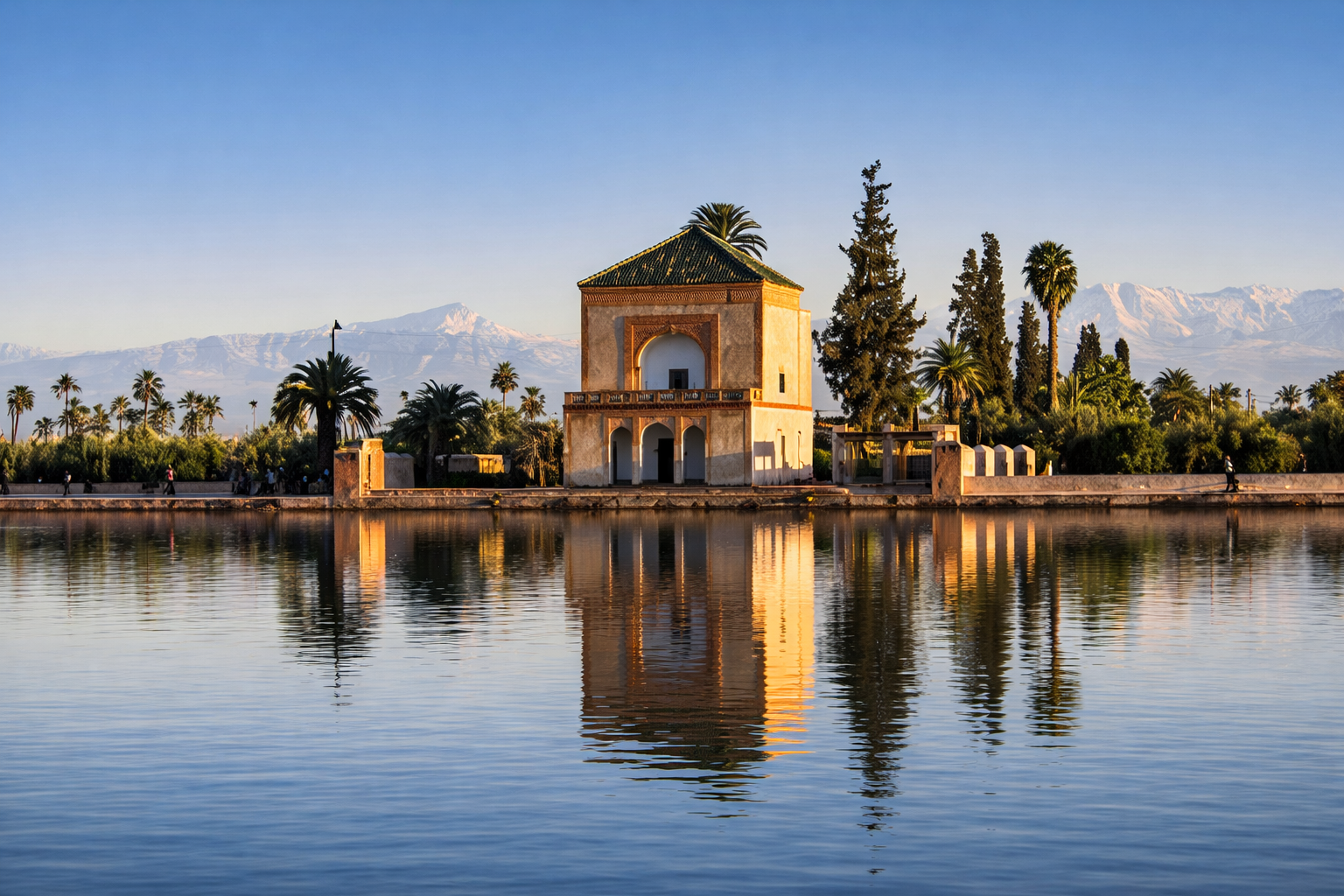
A full day in one of the world’s great cities, and Marrakech fills it without effort. The medina unfolds through historic palaces whose elaborately decorated interiors reward slow, attentive exploration, serene garden sanctuaries offering geometric calm amid the surrounding noise, ancient tombs covered in some of the finest tilework in the country, and souks that are simultaneously chaotic and deeply compelling — spices, leather, textiles, ceramics, and crafts stacked and displayed in ways that have barely changed in centuries.
Lunch at a traditional Moroccan restaurant, the afternoon at your own pace — more wandering, shopping, or simply finding a quiet riad terrace to sit on and let the sounds of the city wash over you — and then the evening at Djemaa el-Fna, the famous central square that transforms as the sun goes down into something between a carnival and a street theatre, its energy building and building until the night is thick with smoke, music, storytelling, and the particular kind of joyful chaos that only Marrakech produces.
Day 11: Marrakech – Essaouira – Marrakech
A day trip to Essaouira, and it’s the kind of detour that reminds you why building flexibility into an itinerary is always a good idea. The road west from Marrakech crosses a landscape of argan trees and rolling plains before the Atlantic appears and Essaouira opens up — all whitewashed walls, blue shutters, and ocean-cooled air that immediately slows your pace and broadens your mood.
The medina is a UNESCO-listed gem: narrow streets lined with art galleries and artisan workshops, the sea ramparts offering wide views over the Atlantic and the working harbor below, where fishing boats come and go with a purposefulness that has nothing to do with tourism. Fresh seafood for lunch somewhere near the port, a wander through the craft shops and gallery spaces, and perhaps a long barefoot walk along the wide sandy beach as the afternoon unfolds. Essaouira has a creative, bohemian energy entirely its own — part ancient trading port, part artists’ colony, part surfer’s paradise — and it makes for one of the most pleasantly unexpected days of the entire journey. Back to Marrakech in the evening, the coast behind you and one final morning ahead.
Day 12: Departure from Marrakech
A final breakfast, a last look at the city, and whatever time remains before the transfer to the airport is yours — last-minute shopping in the souks, a final coffee in a medina café, or simply sitting quietly somewhere with twelve days of Morocco behind you and the particular feeling that comes from having seen something truly extraordinary. The airport, the flight home, and memories that are going to take a while to fully unpack.
Gallery
What’s Included & Excluded
- Private or small-group transportation in a comfortable, air-conditioned vehicle
- Professional, licensed driver and/or local guide (depending on the trip)
- Pick-up and drop-off at your hotel, riad, or agreed meeting point
- Accommodation (hotels, riads, desert camps) as specified in the itinerary
- Breakfasts & dinners (depending on the type of accommodation chosen)
- Activities and experiences listed in the itinerary (quad biking, camel trekking, excursions, etc.)
- All fuel, road tolls, and parking fees
- Local assistance and 24/7 customer support during your trip
- International or domestic flights
- Travel insurance and personal expenses
- Drinks and meals not mentioned in the itinerary
- Entrance fees to monuments and attractions (unless otherwise stated)
- Tips and gratuities for guides, drivers, and staff (optional but appreciated)
- Optional activities not listed in the trip program