
8-Day Morocco Trip from Marrakech to Casablanca
From Marrakech
8 Day
To Casablanca
About this trip
Eight days to cross Morocco from south to north — and to do it properly.
This private journey from Marrakech to Casablanca is one of the most complete ways to experience the country’s extraordinary range. You’ll move through the High Atlas Mountains, deep into the Saharan desert of Merzouga, north through oasis valleys and cedar forests, into the ancient spiritual labyrinth of Fes, past Roman ruins and royal monuments, through the famously blue streets of Chefchaouen, and finally down the Atlantic coast to Casablanca. Every day brings a different landscape, a different pace, and a different side of Morocco — and by the time you reach the Hassan II Mosque on the final morning, you’ll have a sense of this country that most visitors never get close to.
Desert adventures, historic cities, mountain scenery, and authentic cultural encounters — this tour offers all of it, woven together into eight days that feel both full and unhurried.
Trip Highlights:
Cross the High Atlas and Middle Atlas Mountains with breathtaking scenery
Explore the UNESCO-listed Aït Ben Haddou and historic Kasbah Telouet
Camel trek across the Erg Chebbi dunes at sunset
Walk through the dramatic Dades Valley and Todra Gorges with a local guide
Experience a camel trek into the Erg Chebbi dunes at sunset and sunrise
Spend nights under the stars in private luxury desert tents
Visit the Gnawa village of Khamlia and historic Rissani
Scenic drives through Midelt, Azrou, Ifrane, and the Ziz Valley
8-Day Marrakech to Casablanca Desert Trip Itinerary
Day 1: Marrakech – Boumalne Dades
The tour begins with a pickup from Marrakech and an immediate climb into the High Atlas — a landscape of dramatic scale and raw beauty that sets the tone for everything ahead. Panoramic stops along the mountain roads let you take in the views properly, and visits to traditional Berber villages offer an early glimpse into a way of life shaped entirely by altitude and remoteness.
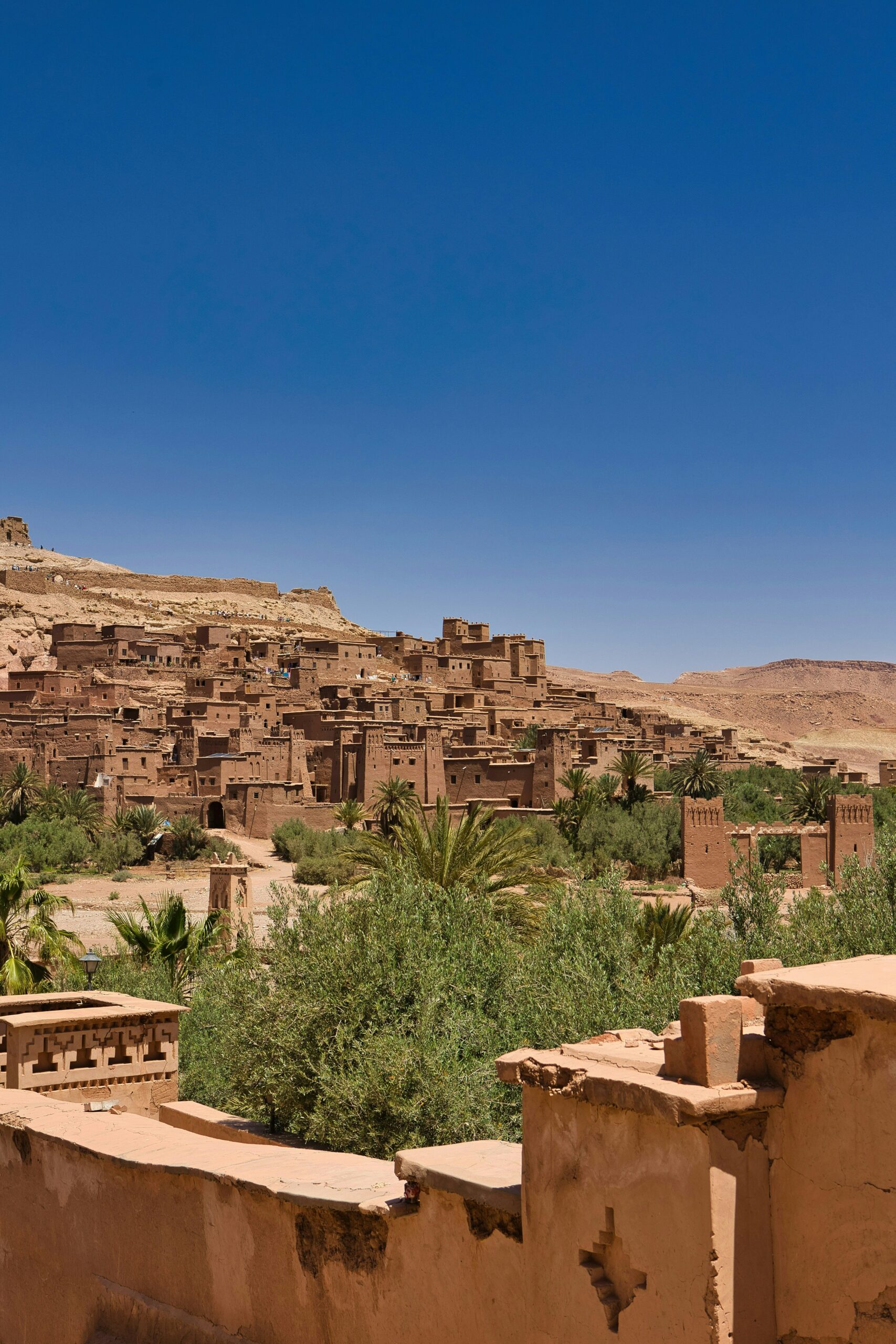
Kasbah Telouet comes first — the once-magnificent residence of the Glaoui family, whose crumbling grandeur and ornate interiors tell the story of power, ambition, and eventual downfall in equal measure. Then Ait Ben Haddou, the UNESCO-listed fortified ksar that needs little introduction — its ancient earthen towers and cinematic history making it one of the most recognizable and genuinely moving sites in the entire country. The afternoon winds through the Skoura Oasis and the Valley of Roses before arriving in Boumalne Dades as evening falls — a warm dinner and a comfortable overnight in the canyon country.
Day 2: Boumalne Dades – Merzouga
After breakfast, the road heads toward Todra Gorge — and the gorge, as always, delivers immediately. Sheer canyon walls rising nearly 300 meters on either side of a calm river, the light filtering down between them in ways that change completely depending on the hour. A walk along the gorge floor is one of those simple experiences that stays with you, and the cool, quiet air at the base of those cliffs is a world away from the desert that awaits further south.
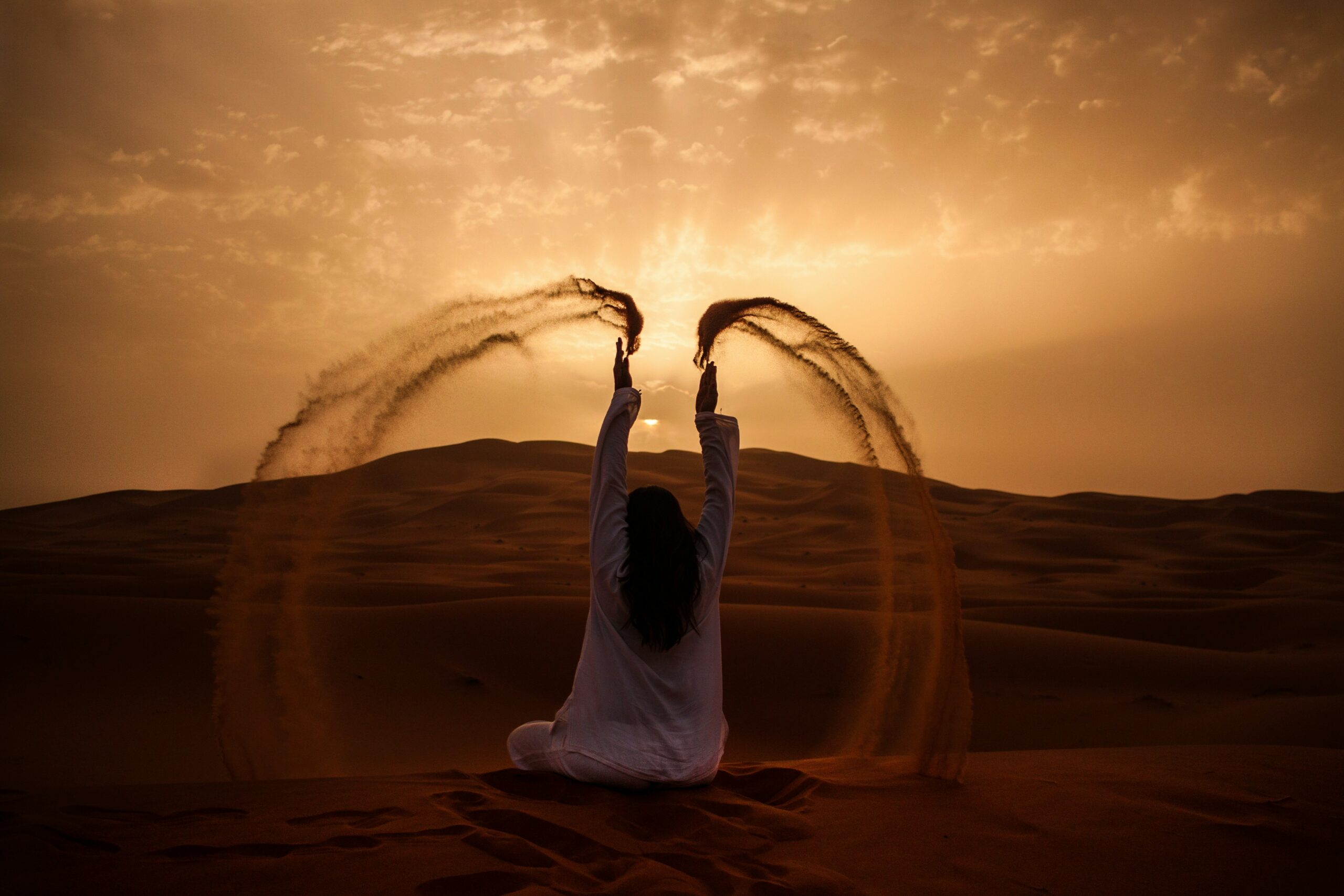
From Todra, the route pushes through desert towns — including Erfoud and Rissani, each with their own distinct character and history — as the landscape grows steadily drier and more open. Merzouga arrives in the afternoon, and the dunes of Erg Chebbi are immediately, undeniably impressive. Camels or a 4×4 carry you out across the sands as the sun begins its descent — the light pulling color from the dunes in a slow, magnificent show — and the desert camp receives you with everything a Saharan night should offer: warmth, food, music, and a sky so full of stars that sleep feels almost like a waste.
Day 3: Desert Exploration & Nomadic Encounters
The optional sunrise over the dunes is worth every minute of the early alarm — the sands shifting through shadow and amber and gold as the first light arrives in near-total silence. After breakfast, the day opens up into a full desert exploration by 4×4, taking you into corners of the Merzouga region that most visitors never reach.
The route visits nomadic families living in the wider desert landscape — sharing mint tea, hearing stories, and spending time with communities whose deep familiarity with this terrain is both humbling and fascinating. The abandoned Mifis mining settlement adds an unexpected layer of history to the day, its empty structures speaking quietly of the desert’s long relationship with human ambition. In Khamlia Village, the Gnawa community offers something entirely different: their ancient spiritual music — rhythmic, hypnotic, and rooted in traditions brought from sub-Saharan Africa centuries ago — is one of those cultural experiences that leaves a genuine mark. A homemade Berber lunch, a wander through oasis gardens, and a visit to a nomadic cooperative round out a day that has managed to be both wide-ranging and deeply personal. Back at the lodge by evening for dinner and a final night near the dunes.
Day 4: Merzouga – Fes
Leaving the Sahara, the road heads north through a landscape that changes dramatically with every passing hour. The Ziz Valley offers the first long, beautiful stretch — dense palm groves lining the river through the arid terrain, one of Morocco’s most quietly spectacular drives. As the valley gives way to the Middle Atlas, the air cools, the vegetation thickens, and the cedar forests above Azrou close in around the road. Barbary macaques move freely through the trees here, unbothered and endlessly watchable.
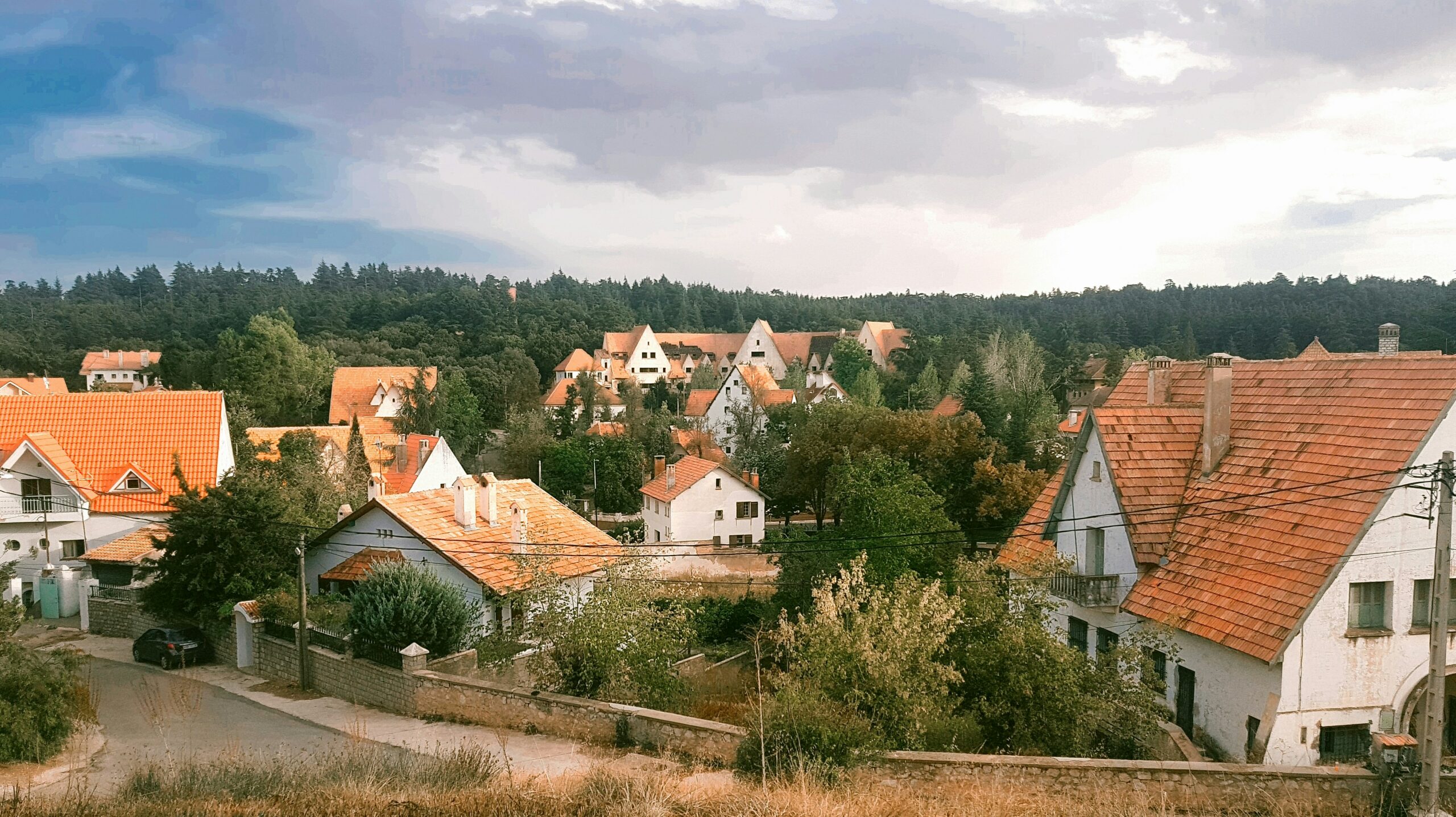
Ifrane provides a wonderfully incongruous pause — its clean streets and steep European-style rooftops earning the “Swiss-style” comparison that has followed the town for decades — before the final stretch carries you into Fes as evening falls. The ancient city receives you quietly, its thousand-year-old medina already waiting to reveal itself the following morning.
Day 5: Guided Trip of Fes
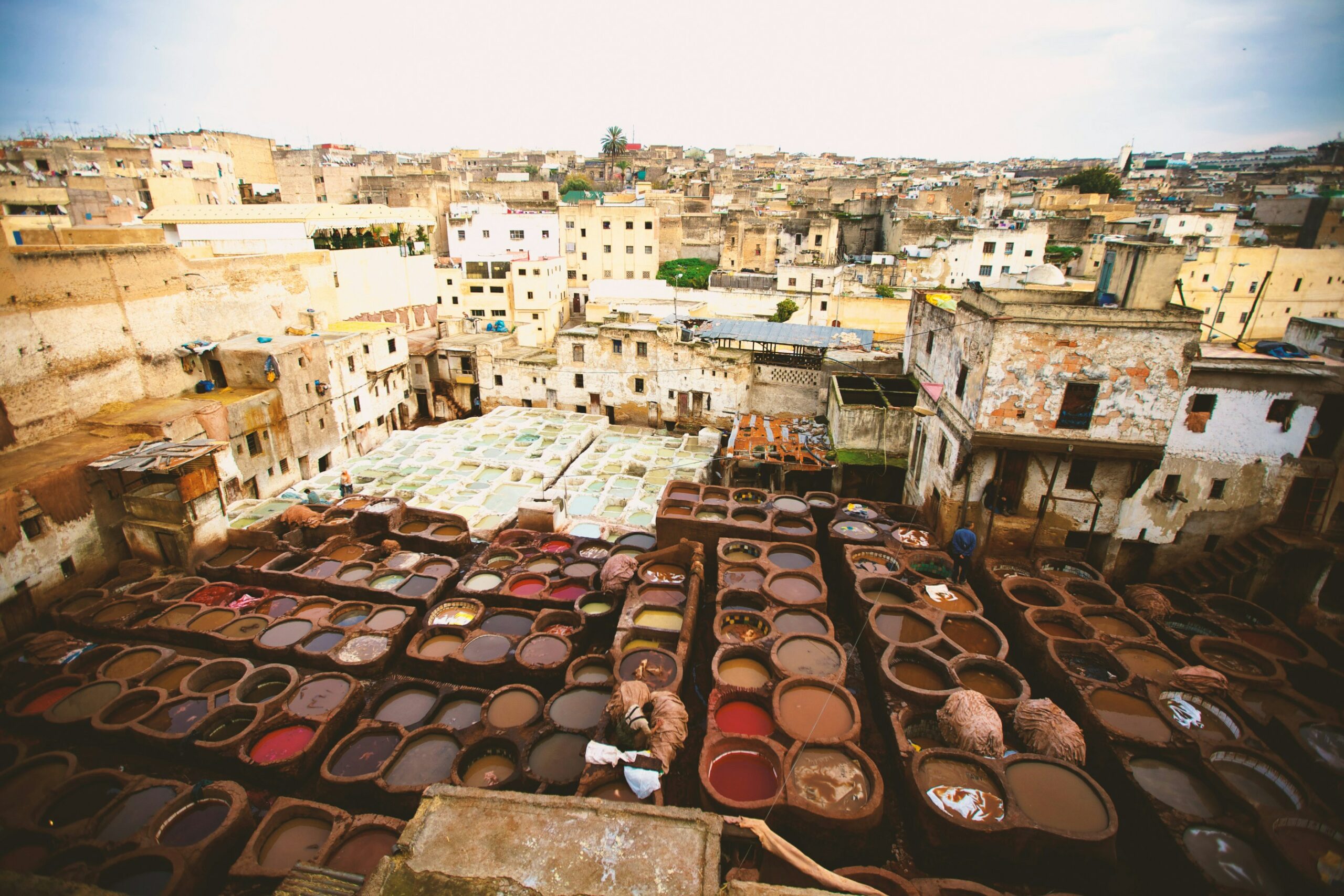
A full day inside one of the most extraordinary urban environments on earth. Fes el-Bali — the oldest and largest car-free medieval city in the world — rewards slow, attentive exploration, and a knowledgeable local guide makes all the difference. The day moves through narrow alleyways and hidden courtyards, past elaborately decorated madrasas whose tilework and carved plaster represent the absolute peak of Islamic architectural craft, through the famous open-air tanneries where leather has been dyed in the same stone vats for centuries, and into artisan workshops where the skills passed down across generations are still practiced with obvious pride. The ornate fountains, the ancient mosques, the souks stacked high with spices and textiles and ceramics — all of it builds into an experience that is genuinely overwhelming in the best possible sense. The evening is free to explore on your own, which in Fes means getting pleasantly lost and letting the city show you things no itinerary could plan for.
Day 6: Fes – Meknes – Volubilis – Chefchaouen
The day heads north and west, with two very different but equally rewarding stops before the night’s destination. Meknes comes first — one of Morocco’s four imperial cities and often the least visited of them, which gives it a quieter, more lived-in character than its more famous counterparts. Its monumental gates and royal granaries are genuinely impressive, and the city’s relaxed pace makes it a pleasure to wander through.
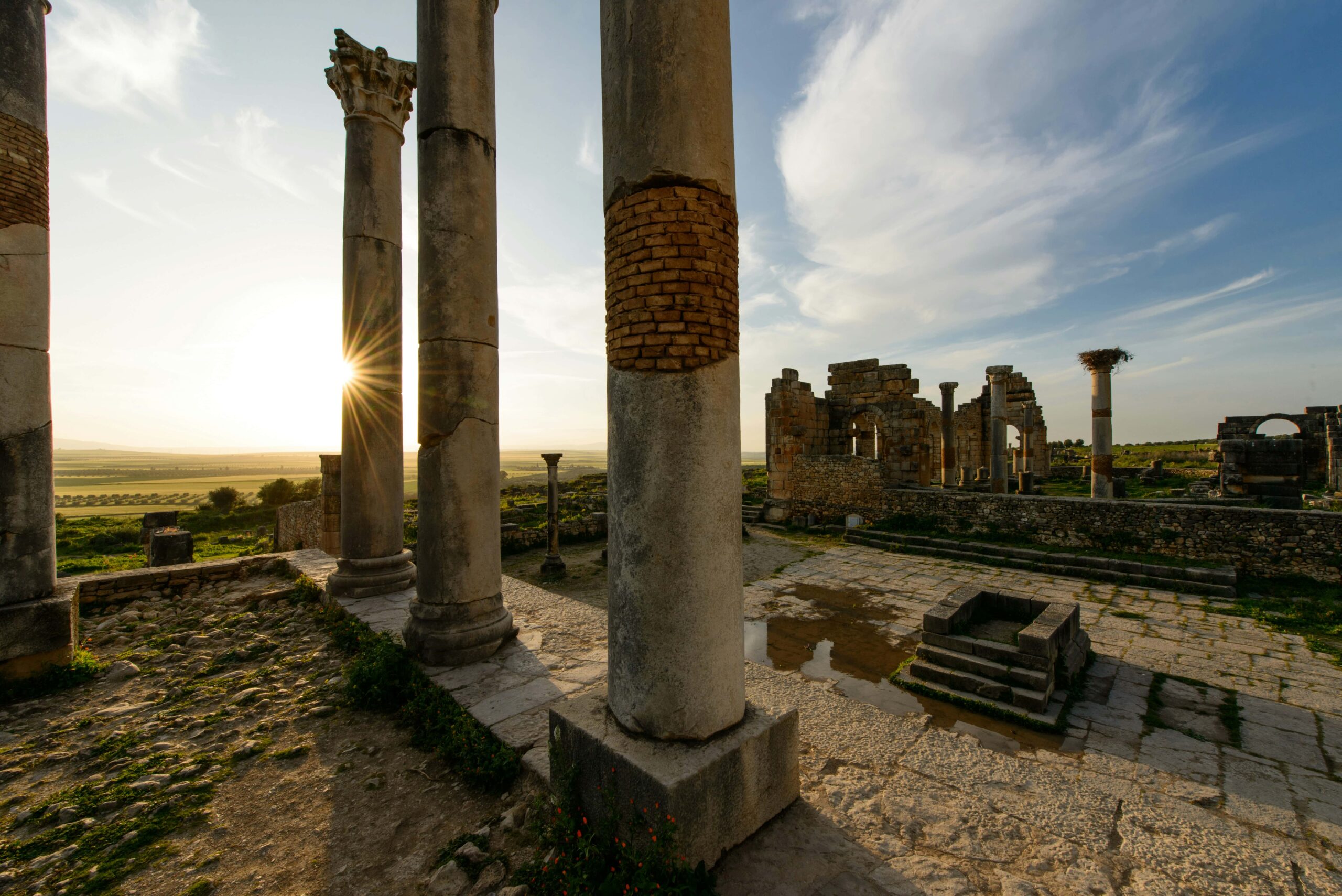
From Meknes, the road leads to Volubilis — the best-preserved Roman archaeological site in Morocco, and one that consistently surprises visitors with the scale and quality of what remains. Mosaics still intact after two thousand years, triumphal arches framing views of the surrounding hills, and the particular silence of a place where an entire civilization’s ambition has been slowly reclaimed by the landscape. It’s a remarkable place, and the contrast with the Islamic architecture of the previous days adds an unexpected dimension to the journey.
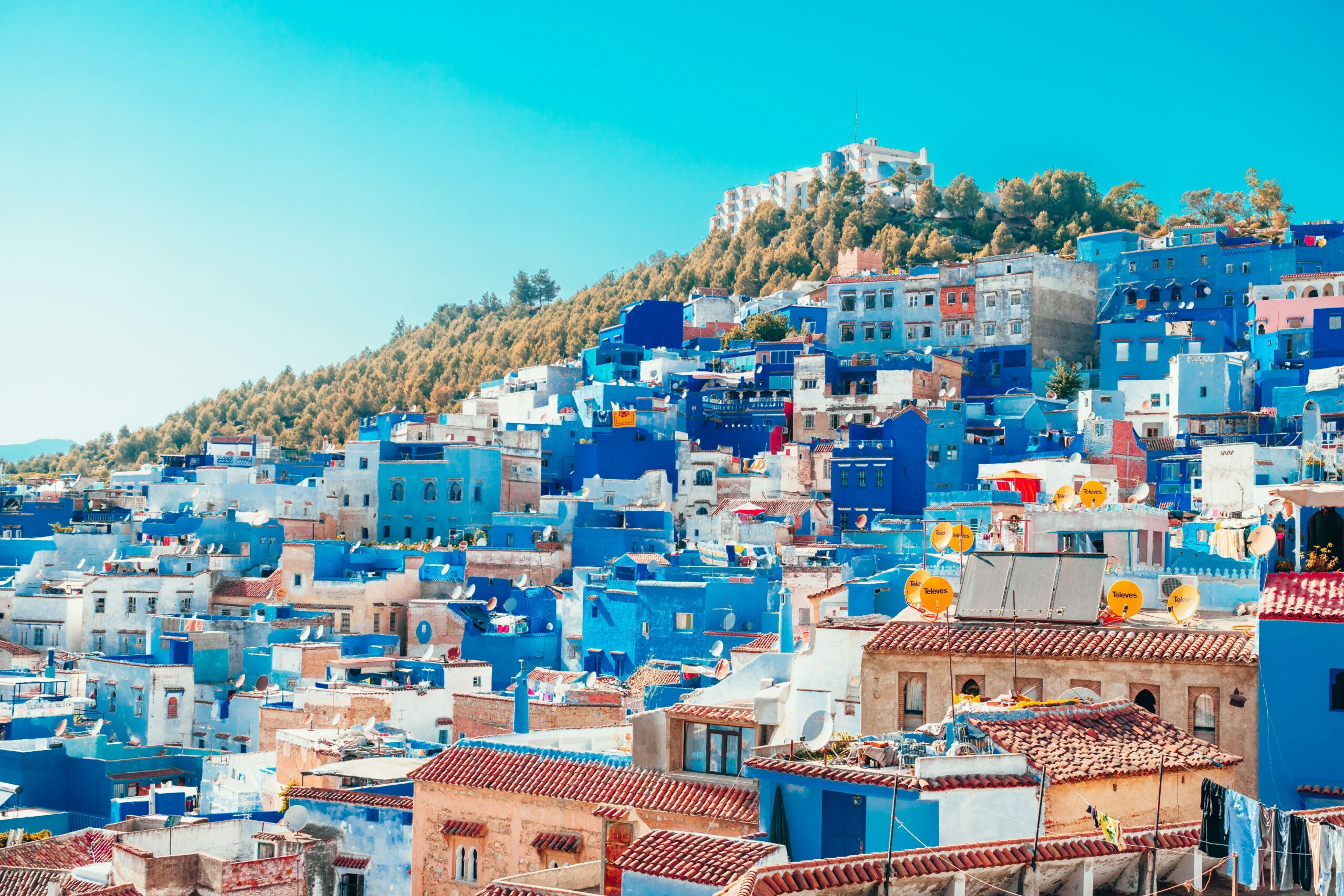
By evening, Chefchaouen. The Blue City needs no introduction, but it still delivers the impact of a place that earns its reputation — the narrow lanes washed in every shade of blue, the mountain air cooler and cleaner than anywhere you’ve been, the central square unhurried and genuinely charming. Time to wander freely before a peaceful overnight in one of Morocco’s most beautiful towns.
Day 7: Chefchaouen – Rabat – Casablanca
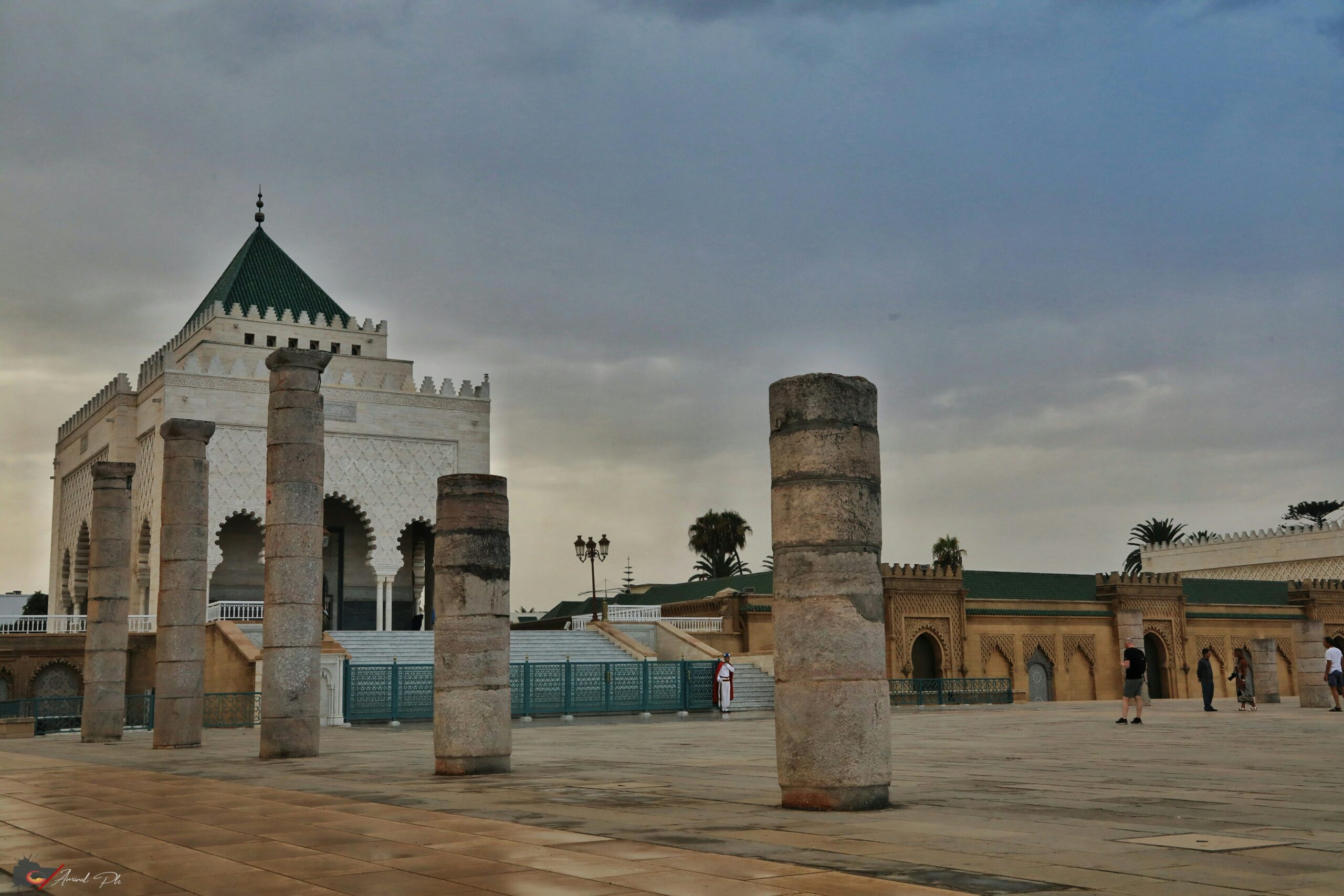
Leaving Chefchaouen, the road heads south toward the Atlantic coast — and Morocco’s capital city, which tends to surprise visitors who aren’t expecting quite so much history and elegance in one place. Rabat is a city that rewards proper attention: the Kasbah of the Oudayas, perched above the river mouth with its blue-and-white alleyways and ocean views, is one of the most beautiful small neighbourhoods in the country. The Hassan Tower — a twelfth-century minaret that was never completed, standing now among a field of ruined columns — is quietly magnificent. And the Mohammed V Mausoleum, with its gleaming white marble and ornate carved interior, is genuinely one of the finest examples of traditional Moroccan craftsmanship anywhere in the world.
From Rabat, the final stretch of road runs down the Atlantic coast to Casablanca — Morocco’s largest city and its economic heart — where dinner and a comfortable overnight close out a day that has covered an extraordinary amount of ground.
Day 8: Casablanca – Departure
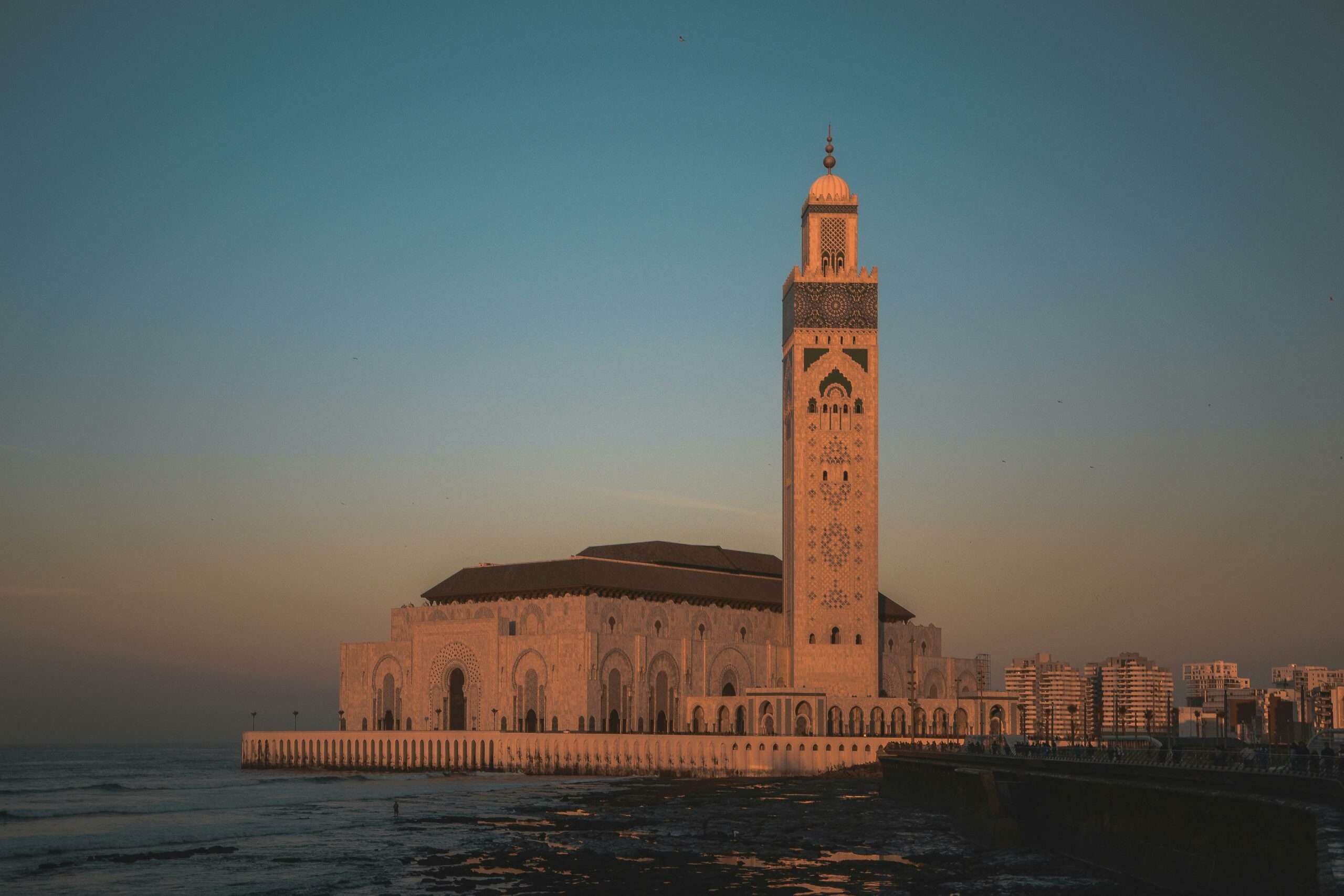
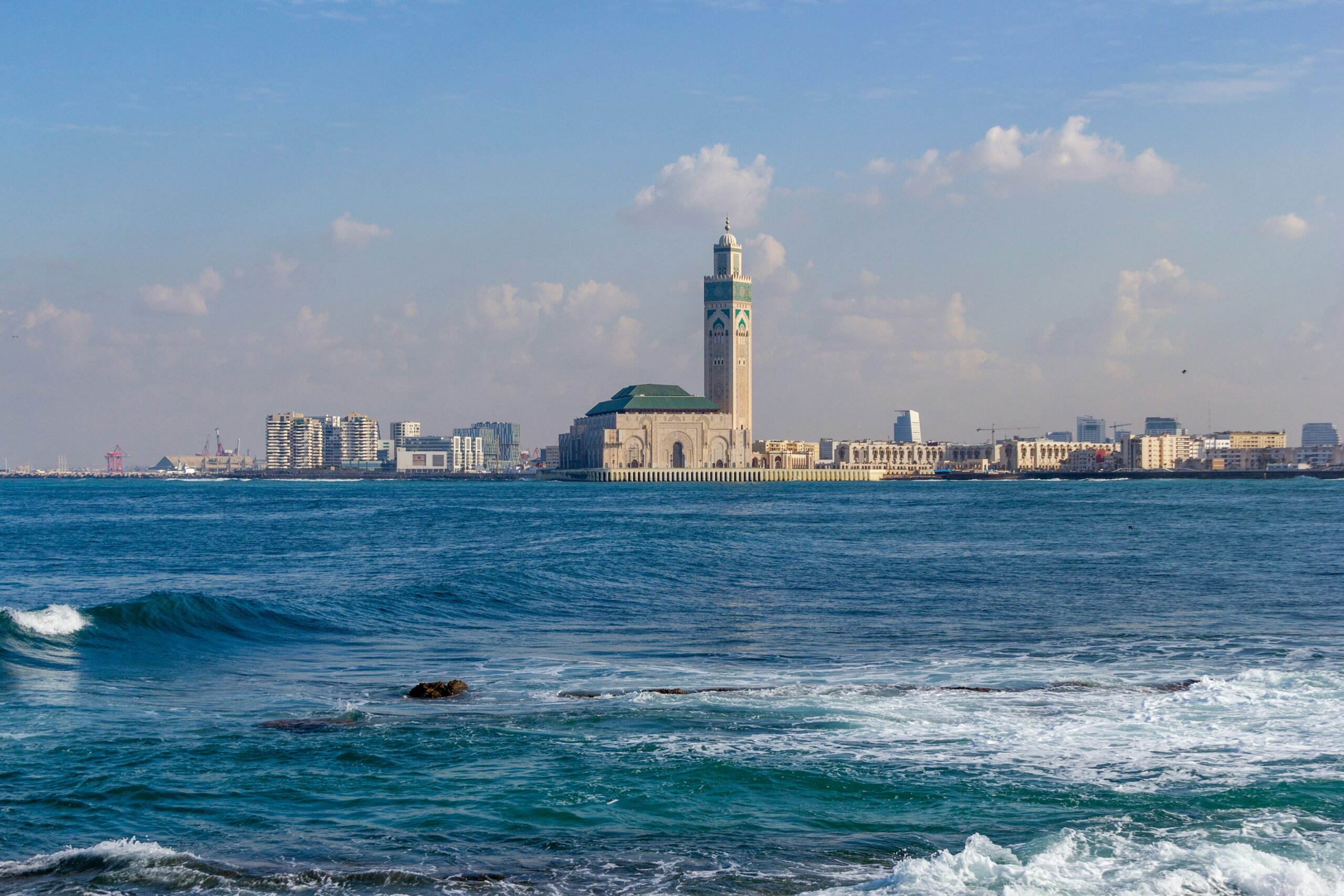
The final morning belongs to Casablanca. Mohammed V Square anchors the city’s historic European quarter — its Art Deco architecture a reminder of the French colonial period that shaped so much of modern Morocco’s urban character. And then the Hassan II Mosque: built on a promontory above the Atlantic Ocean, it is by any measure one of the most spectacular pieces of architecture in the world — its minaret the tallest on earth, its vast interior capable of holding twenty-five thousand worshippers, and the combination of traditional Moroccan craftsmanship and sheer architectural ambition genuinely breathtaking. It’s a fitting final image to carry home from eight days in a country that has offered an almost unreasonable amount of beauty, history, and wonder.
Transfer to the airport, and the journey concludes — though if Morocco has its usual effect, the planning for the return trip begins somewhere over the Mediterranean.
Gallery
What’s Included & Excluded
- Private or small-group transportation in a comfortable, air-conditioned vehicle
- Professional, licensed driver and/or local guide (depending on the trip)
- Pick-up and drop-off at your hotel, riad, or agreed meeting point
- Accommodation (hotels, riads, desert camps) as specified in the itinerary
- Breakfasts & dinners (depending on the type of accommodation chosen)
- Activities and experiences listed in the itinerary (quad biking, camel trekking, excursions, etc.)
- All fuel, road tolls, and parking fees
- Local assistance and 24/7 customer support during your trip
- International or domestic flights
- Travel insurance and personal expenses
- Drinks and meals not mentioned in the itinerary
- Entrance fees to monuments and attractions (unless otherwise stated)
- Tips and gratuities for guides, drivers, and staff (optional but appreciated)
- Optional activities not listed in the trip program