
Hidden Marrakech: Neighborhoods Most Tourists Never Reach
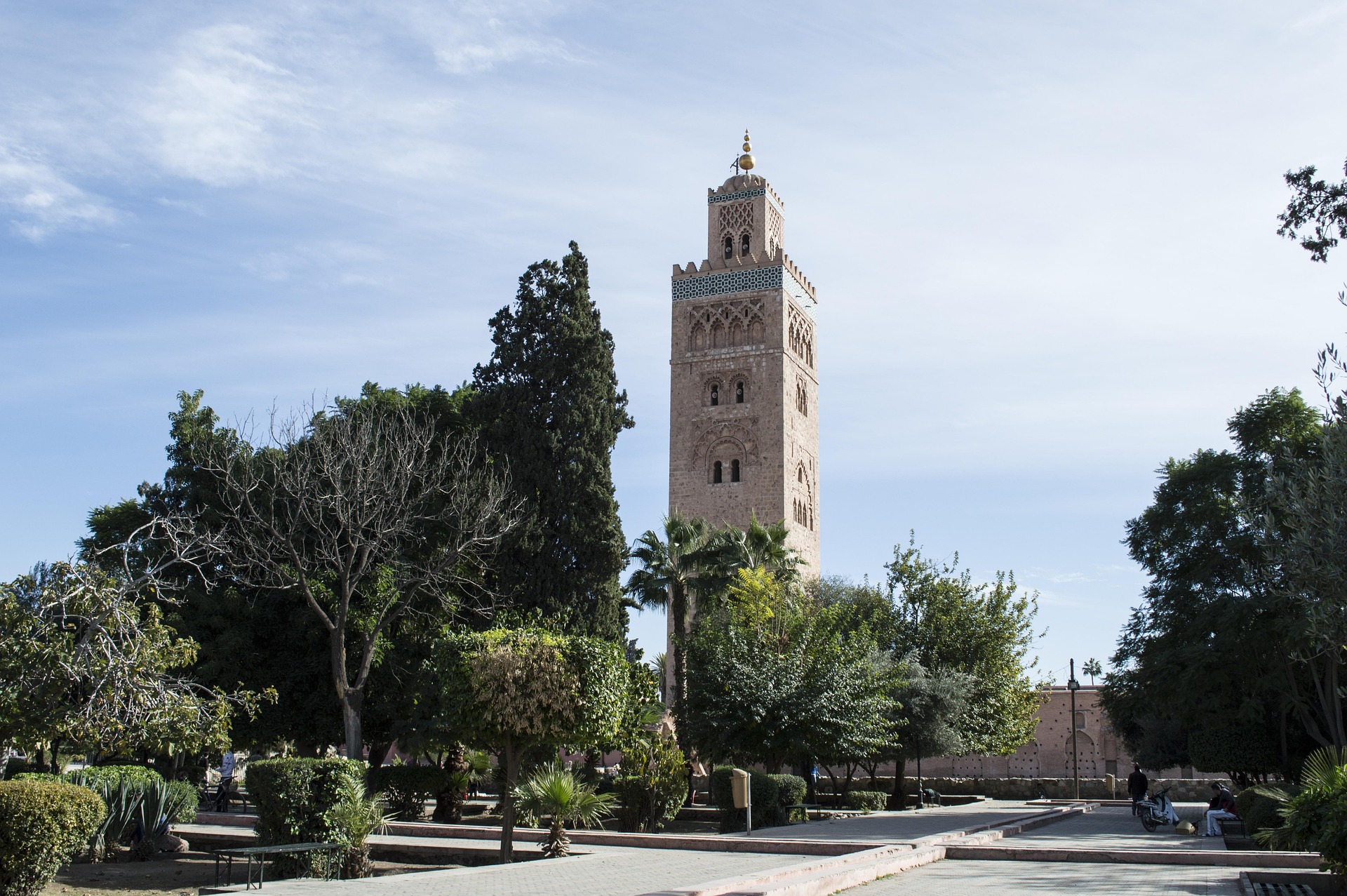
Most visitors experience Marrakech through a familiar route: Jemaa el-Fna, the souks, Bahia Palace, and a handful of popular riads. While these landmarks deserve their reputation, they reveal only a small part of the city’s identity.
Beyond the crowded squares and well-known attractions lies another Marrakech—one shaped by local traditions, residential streets, neighborhood bakeries, and daily routines that have remained largely unchanged for generations. Exploring these lesser-known districts offers a different perspective on the Red City, one that many travelers never get the chance to see.
From the quiet lanes of Sidi Mimoun to the historic Jewish quarter of the Mellah, the hidden neighborhoods of Marrakech tell stories that often go unnoticed. They reveal the city as locals experience it: authentic, complex, and deeply connected to its past.
If you want to discover a side of Marrakech that exists beyond guidebooks and social media highlights, these neighborhoods deserve a place on your itinerary.
Sidi Mimoun: The Quiet Side of the Medina
Located just south of the famous Kasbah district, Sidi Mimoun remains one of the most overlooked areas of Marrakech. Despite being only a short walk from Jemaa el-Fna, the atmosphere feels entirely different.
The neighborhood is known for its calm streets, traditional homes, and proximity to some of the city’s historic landmarks. While tourists often pass nearby on their way to larger attractions, few take the time to explore the area itself.
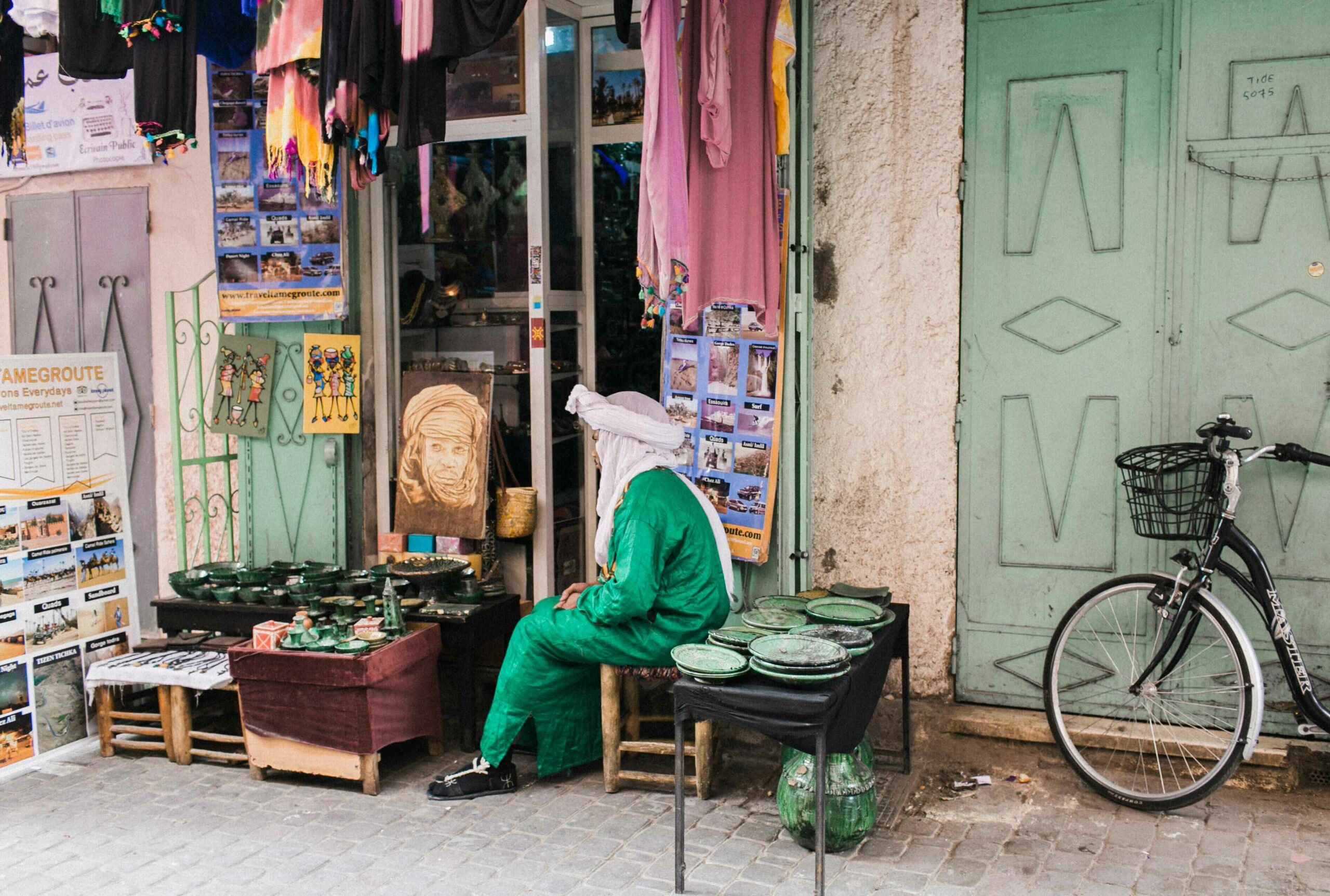
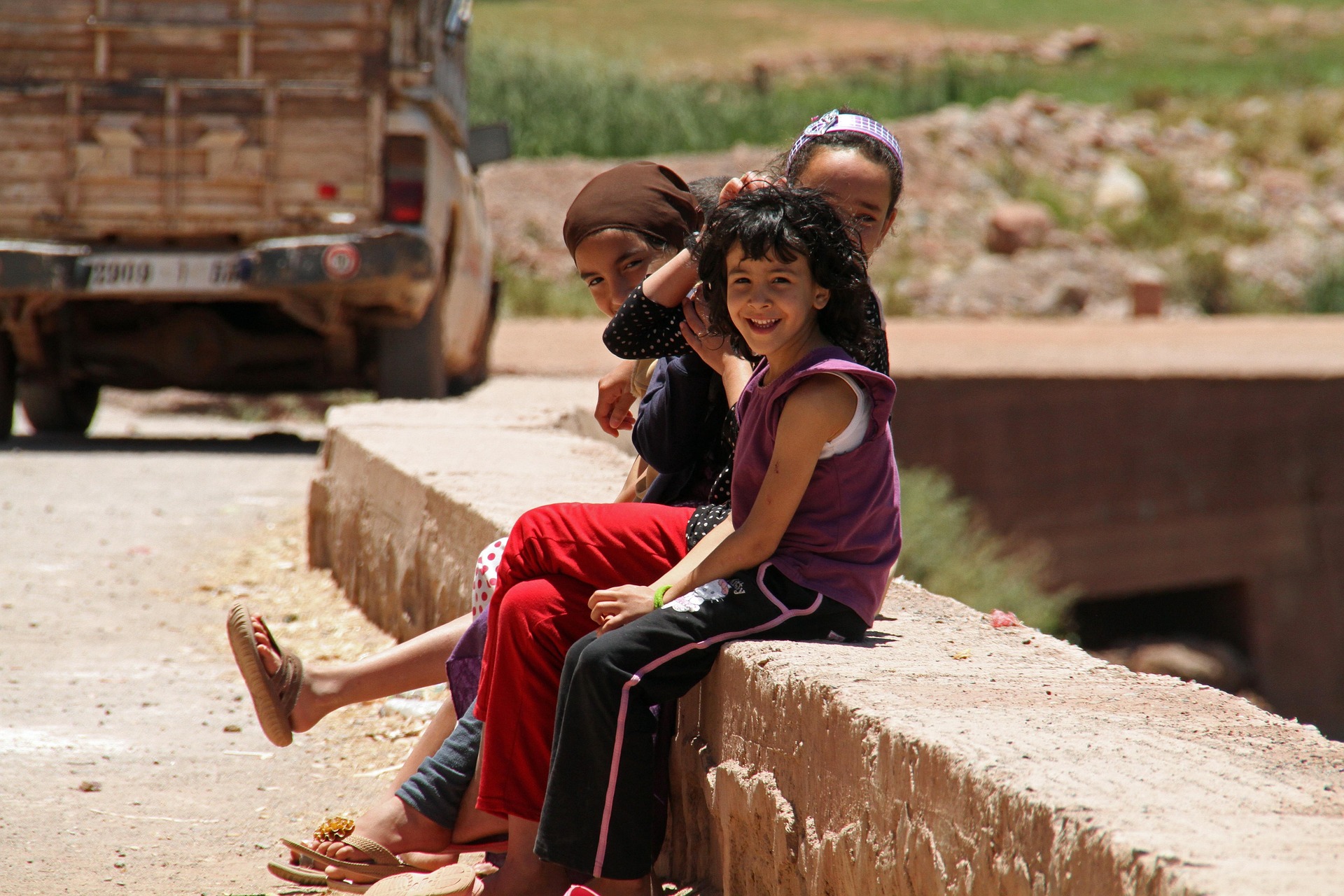
Walking through Sidi Mimoun offers a glimpse into everyday life in Marrakech. Residents chat outside small shops, children play in narrow alleyways, and local bakeries continue traditions that have existed for generations.
One of the district’s greatest advantages is its location. Visitors can enjoy easy access to major sites while staying in a quieter and more authentic environment. Several traditional riads have also chosen Sidi Mimoun as their home, allowing guests to experience the medina away from the busiest tourist corridors.
For travelers seeking a slower and more genuine introduction to Marrakech, Sidi Mimoun provides an ideal starting point.
Douar Graoua: Hidden Architecture and Timeless Streets
Among the hidden neighborhoods of Marrakech, Douar Graoua is perhaps one of the least discussed in travel guides.
Situated between the bustling souks and the Bahia Palace area, this district preserves much of the traditional character that once defined the medina. Here, the streets remain narrow, the architecture understated, and the pace noticeably slower than in the city’s most visited quarters.
Many of Marrakech’s historic merchant families once lived in this area, leaving behind elegant riads concealed behind simple wooden doors. From the outside, these homes appear modest, but their interiors often feature intricate zellige tilework, carved cedar wood, and peaceful courtyards.
Unlike the main commercial areas of the medina, Douar Graoua rewards slow exploration. Visitors who wander without a fixed destination often discover artisan workshops, traditional fountains, and architectural details that are easily missed elsewhere.
The neighborhood offers a reminder that some of Marrakech’s greatest treasures are not monuments but everyday spaces that continue to serve local communities.
Bab Doukkala: Where Local Marrakech Comes Alive
For travelers interested in experiencing daily life beyond tourist routes, Bab Doukkala is one of the most rewarding areas in the city.
Named after one of the historic gates of Marrakech, the district functions as an important hub for local residents. Markets, bakeries, cafes, pharmacies, and small businesses create an atmosphere that feels noticeably different from the souvenir-focused sections of the medina.
The neighborhood’s market is particularly interesting. Unlike the souks that primarily cater to visitors, many vendors here serve local families. Fresh vegetables, spices, bread, olives, and household goods fill the stalls, creating a vibrant scene that reflects everyday life in Marrakech.
Bab Doukkala also serves as a gateway between the old medina and newer parts of the city. This unique position has allowed it to maintain strong local traditions while adapting to modern urban life.
Visitors who spend time in the district often discover that some of their most memorable experiences come not from major attractions but from simple moments—watching bread being baked, sharing tea at a local café, or observing the rhythm of daily life unfold around them.
The Mellah: Marrakech’s Historic Jewish Quarter
The Mellah occupies a special place in the history of Marrakech. Established during the sixteenth century, it became the city’s historic Jewish quarter and played a central role in its commercial and cultural development.
Although much has changed over the centuries, traces of this rich heritage remain visible throughout the neighborhood.
Walking through the Mellah reveals a distinct architectural character. Many buildings feature balconies and design elements that differ from those found elsewhere in the medina. The area also contains important historic sites linked to Marrakech’s Jewish community.
Beyond its historical significance, the Mellah remains a living neighborhood where residents continue their daily routines amid centuries of history. Markets operate as they have for generations, while local shops contribute to the district’s enduring sense of identity.
For travelers interested in understanding the diverse cultural influences that shaped Marrakech, the Mellah offers valuable insight into a chapter of the city’s past that is often overlooked.
Why Exploring Local Neighborhoods Changes Your Experience of Marrakech
Many visitors leave Marrakech with memories of famous monuments and lively markets. Those who venture beyond the standard tourist circuit often return with something deeper: a genuine understanding of the city itself.
Neighborhoods such as Sidi Mimoun, Douar Graoua, Bab Doukkala, and the Mellah reveal the human side of Marrakech. They show how traditions continue to survive within a rapidly changing world and how local communities preserve the character that makes the city unique.
Exploring these areas also encourages a slower style of travel. Instead of rushing between attractions, visitors have the opportunity to observe, listen, and engage with their surroundings in a more meaningful way.
The result is an experience that feels less like sightseeing and more like discovering the real heartbeat of Marrakech.
FAQ
What are the hidden neighborhoods of Marrakech?
Some of the most interesting hidden neighborhoods of Marrakech include Sidi Mimoun, Douar Graoua, Bab Doukkala, and the Mellah. These districts offer a more authentic perspective on local life than the city’s main tourist attractions.
Is Sidi Mimoun worth visiting?
Yes. Sidi Mimoun combines a peaceful atmosphere with easy access to major landmarks, making it an excellent area for travelers seeking a quieter side of the medina.
What makes Bab Doukkala different from the souks?
Bab Doukkala serves local residents rather than tourists. Its markets, cafés, and shops provide a more authentic glimpse into everyday life in Marrakech.
Where is Douar Graoua located?
Douar Graoua is situated within the medina, near Bahia Palace and several historic riads. It is known for its traditional architecture and quiet streets.
What is the Mellah in Marrakech?
The Mellah is Marrakech’s historic Jewish quarter. It was established in the sixteenth century and remains one of the city’s most culturally significant neighborhoods.
Can tourists walk through these neighborhoods safely?
Yes. These neighborhoods are generally safe to explore on foot during the day. As in any city, visitors should remain aware of their surroundings and respect local customs.
Why do most tourists miss these areas?
Many visitors focus on famous attractions and organized itineraries, leaving little time to explore residential districts and lesser-known parts of the medina.
The true character of Marrakech extends far beyond its most photographed landmarks. Hidden within the medina are neighborhoods where daily life unfolds much as it has for generations, offering travelers a chance to experience the city from a different perspective.
Whether you choose the quiet streets of Sidi Mimoun, the architectural charm of Douar Graoua, the vibrant local atmosphere of Bab Doukkala, or the rich history of the Mellah, these districts reveal a side of Marrakech that many visitors never see.
For those willing to step away from the usual tourist route, the reward is a deeper and more memorable connection with one of Morocco’s most fascinating cities.